



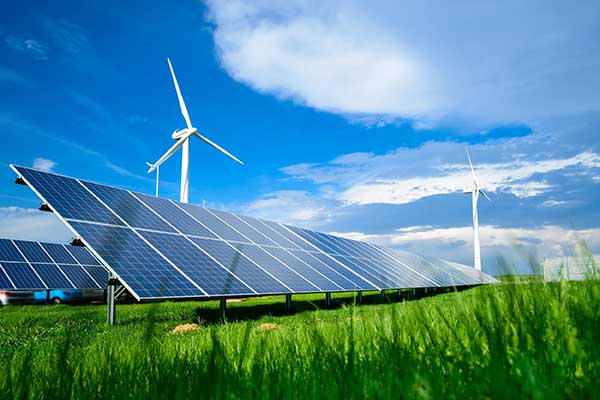
South Africa’s solar industry is entering a new phase of development. While demand for renewable energy remains strong, the market is evolving beyond the rapid expansion experienced during the height of the country’s electricity crisis. Today, customers are making more informed purchasing decisions, creating new opportunities for professional solar system integrators and installers that can deliver quality, reliability, and long-term value.
According to the Global Solar Council, the global solar market added 618 GWp of new capacity in 2025. Although this represents another year of growth, the pace has moderated compared to previous years. South Africa reflects a similar trend, with approximately 1.6 GW of new solar capacity installed in 2025, an improvement on 2024 but below the record 2.4 GW achieved in 2023.
The slowdown does not indicate declining interest in solar energy. Instead, it reflects a maturing market where customers are taking a more strategic approach to investing in renewable energy systems.
Customers Are Looking Beyond Price
The reduction in load shedding has removed the urgency that previously drove many residential and commercial installations. At the same time, rising equipment costs have encouraged buyers to carefully evaluate their options before committing to a project.
Oscar Roberto Harbs Júnior, Solar Sales Supervisor at WEG Africa, believes today’s customers are focused on long-term value rather than simply finding the lowest price.
“Customers want confidence in their investment,” he explains. “They are looking at product warranties, after-sales service, system performance, hybrid energy solutions, and the expertise of the installation team. Once they make a decision, they also expect projects to be completed quickly and professionally.”
South Africa remains one of Africa’s most promising solar markets. With abundant sunshine and continued electricity tariff increases, renewable energy continues to offer businesses and households an effective way to reduce operating costs and improve energy security.
The Africa Solar Industry Association estimates that solar energy now contributes around 10.7% of South Africa’s electricity mix, demonstrating the industry’s significant growth over the past decade while highlighting substantial room for further expansion.
Professional Installers Will Lead the Next Growth Phase
As the market matures, success will increasingly favour installers and system integrators that can demonstrate technical expertise, reliable service, and strong supplier relationships.
Today’s customers expect more than equipment installation. They want experienced professionals who can design the right solution for their specific energy requirements, explain available technologies, and provide ongoing support throughout the system’s lifespan.
To remain competitive, installers require dependable access to equipment, technical training, comprehensive product knowledge, and responsive after-sales support from manufacturers.
Reliable product availability allows projects to be completed without unnecessary delays, while strong manufacturer warranties and local service capabilities give customers confidence in their investment.
Ongoing technical training is equally important, enabling installers to keep pace with rapidly evolving technologies such as battery storage, hybrid systems, smart energy management, and electric vehicle charging infrastructure.
Closer partnerships with original equipment manufacturers (OEMs) can also provide installers with business referrals, preferential pricing, technical assistance, and access to new technologies that help differentiate their services in an increasingly competitive market.
These advantages separate established professional businesses from less experienced operators and create opportunities for smaller installation companies to grow into trusted renewable energy service providers.
OEM Support Is Essential
As customer expectations continue to rise, OEMs have an increasingly important role to play in strengthening South Africa’s solar ecosystem.
Manufacturers can support installers by maintaining national distribution networks, ensuring adequate stock availability, offering comprehensive technical training, providing long-term warranties backed by local repair facilities, and delivering responsive technical support when challenges arise on site.
Partner programmes that reward installer loyalty through training, marketing support, product discounts, and priority service can further strengthen the industry’s ability to deliver high-quality renewable energy projects.
Access to advanced design software, system monitoring platforms, and digital management tools also enables installers to improve project accuracy, operational efficiency, and customer service.
A Bright Future for South Africa’s Solar Industry
South Africa’s solar market is no longer being driven solely by concerns over load shedding. Instead, businesses and homeowners increasingly view solar as a long-term investment that offers energy independence, lower electricity costs, improved sustainability, and protection against rising utility prices.
Emerging technologies such as electric vehicles, battery storage, smart energy management systems, and growing electricity demand from data centres and digital infrastructure are expected to create new opportunities for the renewable energy sector in the years ahead.
Harbs believes that the industry’s future depends on building trust through expertise and strong partnerships.
“Customers already know they want renewable energy,” he says. “What they need now is guidance from knowledgeable installers who can recommend the right solution and deliver it with confidence. Manufacturers like WEG have an important role in supporting installers with the products, training, and technical expertise needed to meet those expectations.”
With nearly 90% of South Africa’s energy mix still offering opportunities for renewable generation, the next stage of market growth will be led by skilled solar integrators and installers supported by proactive OEMs. Together, they will play a central role in expanding clean energy adoption while delivering greater value, reliability, and long-term energy security for businesses and communities across the country.
