


As African agriculture continues to embrace climate-smart farming practices, direct seeding is emerging as a promising cultivation system capable of improving soil health, conserving water, and reducing production costs. While sugar beet is not yet as widely cultivated across Africa as sugarcane, growing interest in crop diversification, sustainable farming and precision agriculture is creating new opportunities for producers in suitable regions.
These innovations will be showcased at SugarBeet Expo 2026, taking place on 9–10 September 2026 at Rittergut Gestorf near Hanover, Germany. Organised by the German Agricultural Society (DLG), the exhibition will run alongside PotatoEurope and will bring together growers, researchers, equipment manufacturers and technology providers to demonstrate the latest developments in professional sugar beet production.
Although the event is hosted in Europe, many of the technologies and agronomic practices on display have practical relevance for African farmers seeking to improve soil productivity, enhance climate resilience and adopt more sustainable production systems.
Improving Soil Health Through Direct Seeding
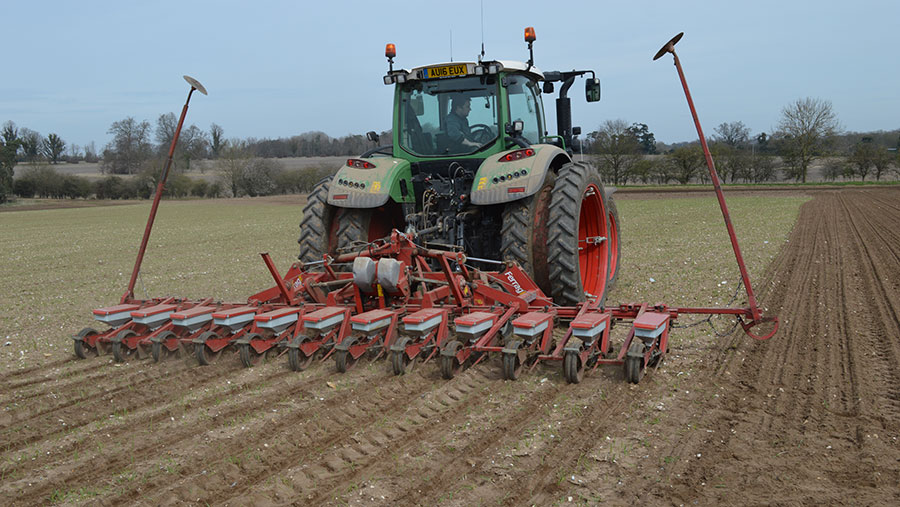
Direct seeding minimises soil disturbance by planting crops without intensive tillage. This approach helps preserve natural soil structure, allowing soil pores and earthworm channels to remain intact. Improved soil structure enhances water infiltration, increases load-bearing capacity for farm machinery, and significantly reduces soil erosion—an increasingly important consideration across many African farming regions facing land degradation and erratic rainfall.
Maintaining permanent soil cover through cover crops and retained crop residues also helps protect the soil surface from excessive heat and moisture loss. Organic matter gradually builds up in the topsoil while soil organisms transport nutrients deeper into the profile, improving long-term soil fertility.
For African growers operating in water-scarce environments, healthier soils with improved moisture retention can contribute to greater crop resilience during prolonged dry periods.
Smarter Crop Management
Direct seeding can also improve overall crop management efficiency. Reduced soil disturbance limits the germination of weed seeds, helping lower weed pressure over time. When combined with precision agriculture technologies such as GPS-guided planting, spot spraying and variable-rate application systems, farmers can optimise herbicide use while reducing input costs.
Healthier crop rotations and stronger plant stands may also reduce the need for certain fungicide and insecticide applications, supporting more sustainable crop protection strategies while lowering environmental impact.
These technologies align closely with Africa’s growing adoption of precision agriculture as producers seek to maximise productivity while managing rising input costs.
Challenges for Growers
Despite its benefits, direct seeding is not without challenges. Cooler soil temperatures during early planting can slow crop establishment, while reduced soil disturbance may encourage higher populations of slugs and rodents in some production areas.
Crop emergence can also be less uniform, requiring adjustments to seeding rates and careful management. Studies indicate that sugar beet yields may decline by approximately 4–8% during the transition period as farmers adapt to the system.
Successful implementation therefore requires sound agronomic knowledge, specialised planting equipment, accurate seed placement and careful crop monitoring. Access to modern machinery and technical support remains an important consideration for many African producers looking to adopt conservation agriculture practices.
Building More Resilient Farming Systems
As African agriculture faces increasing pressure from climate change, soil degradation and rising production costs, conservation farming practices such as direct seeding offer practical pathways towards more resilient and sustainable production systems.
While sugar beet remains a niche crop across much of the continent, the principles demonstrated through direct seeding are equally applicable to many other row crops grown in Africa. Improved soil health, better water management, lower fuel consumption and enhanced resource efficiency are becoming essential components of modern commercial agriculture.
Events such as SugarBeet Expo 2026 provide valuable opportunities for African growers, agronomists and agricultural businesses to explore emerging technologies, exchange knowledge and identify innovations that can be adapted to local farming conditions. As conservation agriculture continues to gain momentum across the continent, direct seeding is likely to play an increasingly important role in building productive, climate-resilient farming systems for the future.
