


Precision agriculture has changed dramatically over the last decade. For many growers, the challenge is no longer collecting information — it is turning that information into timely, actionable decisions.
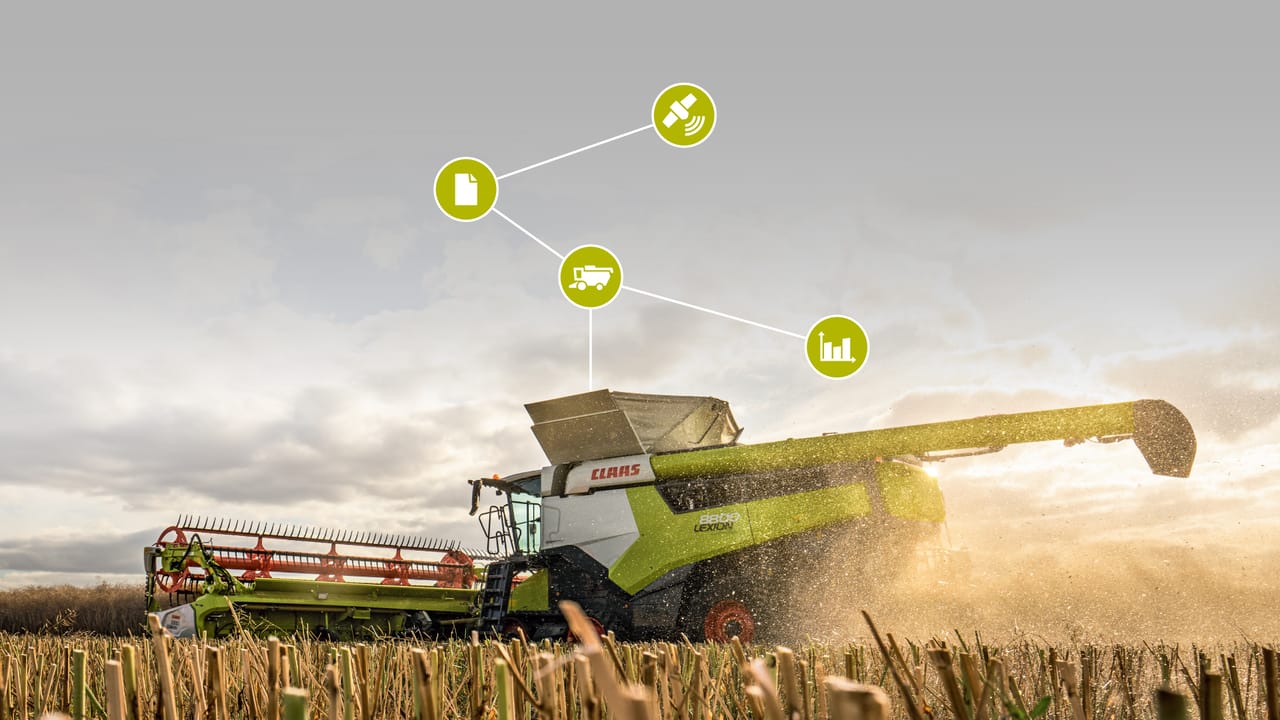
Modern agricultural equipment generates enormous amounts of data, from machine performance and field activity to maintenance information and operational metrics. As farm operations become larger and more complex, growers increasingly need technology that brings this information together rather than requiring them to search across multiple platforms.
“Over the last several years, we’ve really seen a major shift from just collecting data to actually using it to make better decisions,” says Kody Bosch, product manager for CLAAS connect. “Equipment has become increasingly more connected, and growers expect that same visibility into their operations that they have in other parts of their business.”
This need is particularly important for larger operations, where owners and managers often balance equipment management, employee coordination, logistics and field operations simultaneously. The challenge is not a shortage of information, but making that information accessible and useful.
CLAAS connect addresses this challenge by combining machine and farm management capabilities in a single platform. Growers can monitor equipment telemetry, maintenance notifications and machine performance alongside field activities and automatically documented operations. By reducing manual data entry and consolidating information, the platform provides a clearer view of what is happening across the farm.
Harvest operations demonstrate the potential value of this connected approach. By comparing machine performance across multiple combines or forage harvesters, managers can identify differences in productivity while equipment is still operating.
“If one machine is producing significantly less than another, you can identify that while the machines are running,” Bosch says. “Maybe it’s an operator issue. Maybe it’s a logistics issue. Now you can address it before it costs valuable harvest time.”
The same visibility can help managers coordinate equipment across multiple fields. By estimating when field operations are expected to be completed, managers can position trucks, grain carts and operators ahead of time, helping reduce delays and improve overall efficiency.
This shift reflects the broader evolution of digital agriculture. The value of technology is increasingly determined not by how much data it can collect, but by how effectively that data can support decisions.
“We don’t want to have a platform that just collects data,” Bosch says. “We want features that help customers view that information, understand it and ultimately make better decisions that improve efficiencies and profitability.”
Integration with compatible third-party platforms and equipment can further expand the amount of information available to growers, helping create a more complete view of farm operations and fleet performance.
As farms continue to grow in size and complexity, the competitive advantage may not come from having more data. Instead, it comes from having the right information available in one place and using it quickly to make decisions that improve productivity, efficiency and profitability.
