



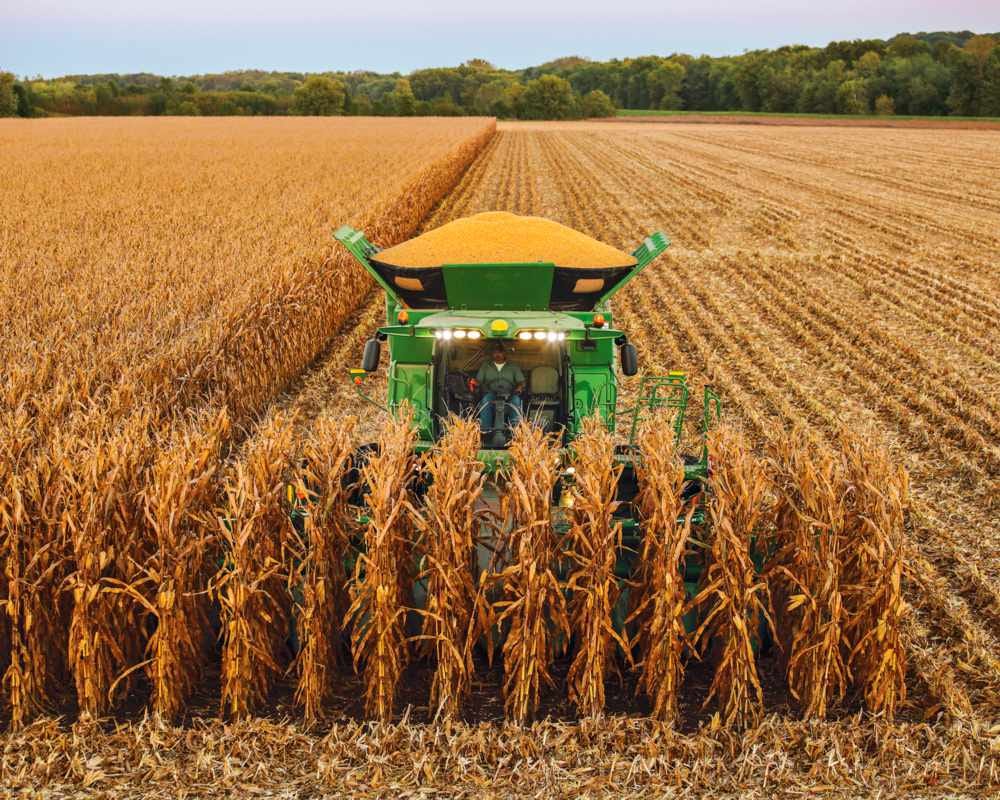
South Africa is approaching a crucial period in its agricultural calendar, with key data releases and harvesting activities set to shape expectations for both the current and upcoming production seasons.
On April 23, the Crop Estimates Committee (CEC) will release its third production forecast for the 2025–26 summer grains and oilseeds season. This update is typically more reliable than earlier projections, as crops have largely progressed beyond the pollination stage, offering a clearer picture of expected yields.
At the same time, the CEC will publish farmers’ planting intentions for the 2026–27 winter crop season. These decisions are influenced by multiple factors, including weather forecasts, commodity prices, and the cost and availability of key inputs such as fertiliser and fuel.
Harvest season begins amid export concerns
The end of April also marks the start of the citrus and strawberry harvest season, alongside the beginning of export activity. While local port performance remains encouraging following efficient operations last season, uncertainty in global markets is a growing concern.
Exporters are particularly focused on access to key markets, especially in light of ongoing disruptions linked to the Middle East conflict. This is significant given expectations that citrus export volumes could increase by 3% to 5% in 2026, reaching between 210 million and 215 million cartons. At the same time, increased supply from South America is expected to intensify competition.
Positive outlook for summer crops
Despite external challenges, the outlook for the 2025–26 summer grains and oilseeds season remains broadly positive. Current estimates place production at around 20.3 million tonnes—just 1% below the previous season, which was one of the largest on record.
This marginal decline is not seen as a concern, as output levels remain robust across key crops including maize, sunflower seed, soybeans, groundnuts, sorghum and dry beans. With generally favourable weather conditions and crops nearing maturity, the upcoming forecast could maintain or even slightly improve current projections.
Winter crops face uncertainty
Attention is now turning to the 2026–27 winter crop season, particularly wheat, barley, canola and oats. Input costs are expected to play a major role in planting decisions, with fertiliser and fuel prices rising sharply since the onset of geopolitical tensions in the Middle East.
Weather conditions also remain a key risk factor. According to the South African Weather Service, early forecasts suggest a relatively dry winter, particularly in the south-western regions such as the Western Cape—an area responsible for the majority of the country’s winter crop production. However, these projections are still subject to change.
Global market dynamics add further complexity. Wheat prices are expected to remain under pressure due to ample international supplies. As a net importer of wheat, South Africa is highly exposed to global price trends, which could influence local planting decisions and profitability.
A defining moment for the sector
Overall, April represents a decisive month for South Africa’s agricultural sector. Key indicators—from crop forecasts and planting intentions to export conditions—will shape expectations for the year ahead.
While summer crop prospects remain strong, the outlook for winter crops is more uncertain, driven by weather risks and rising input costs. Meanwhile, export-oriented sectors such as citrus face additional pressure from logistical challenges, higher shipping costs and constrained access to certain markets.
In this environment, stronger collaboration between government and industry will be essential. Expanding access to alternative export markets and strengthening trade relationships will be critical to ensuring that increased production can be successfully absorbed, supporting both growth and stability in the sector.
