



Zimbabwe’s state-owned Cold Storage Company (CSC) is making significant progress towards recovery, having trebled its daily cattle slaughter rate from 50 to 150 following a US$9.3 million financial injection and upgrades to its processing infrastructure.
The Bulawayo-based meat processor, once one of Southern Africa’s largest beef producers and a major exporter to the European Union (EU), is rebuilding operations after years of financial difficulties, mounting debt and declining production.
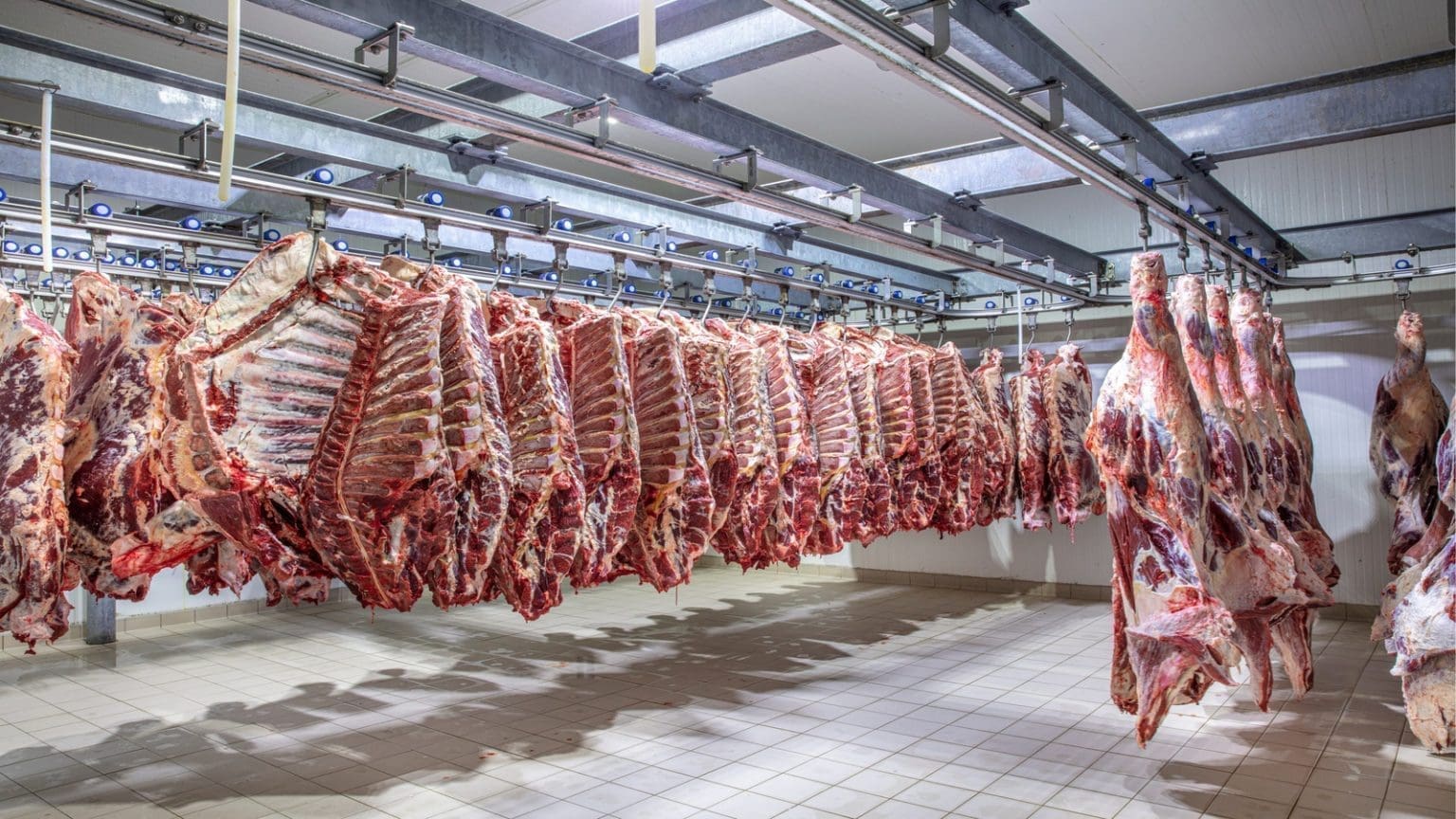
Recent improvements at its flagship Bulawayo abattoir have restored processing capacity to 320 cattle per day, supported by upgraded refrigeration facilities capable of accommodating 320 carcasses. However, actual daily slaughter currently stands at approximately 150 cattle, with further expansion planned.
The recovery follows a US$9.3 million investment from the Mutapa Investment Fund, Zimbabwe’s sovereign wealth fund and the sole shareholder in CSC. The funding helped settle most of the company’s outstanding debts and rehabilitate its Bulawayo processing facilities.
During a recent visit to the facility, Zimbabwe’s Minister of Lands, Agriculture, Fisheries, Water and Rural Development, Dr Anxious Masuka, assessed the progress of the rehabilitation programme.
“Today we are touring CSC here in Bulawayo where they are resuscitating their biggest abattoir to a processing capacity of at least 800 beasts a day. The established capacity now is 320 although they are slaughtering about 150 a day,” said Dr Masuka.
He also acknowledged the Mutapa Investment Fund’s contribution, noting that the US$9.3 million loan had enabled the company to reach its current operational position.
Founded in 1937, CSC dominated Zimbabwe’s beef processing industry for decades. At its peak during the 1990s, the company processed up to 150,000 tonnes of beef annually, employed more than 2,200 people and held an annual EU export quota of 9,100 tonnes. Its exports generated at least US$45 million in annual revenue for the country.
However, the company’s fortunes deteriorated following the government’s deregulation of the beef industry in 1992. The situation worsened in 2001 when the EU suspended beef imports from Zimbabwe following an outbreak of Foot and Mouth Disease (FMD).
The loss of export markets, combined with mounting financial pressures, pushed CSC into a prolonged decline. Its debt exceeded US$25 million, several processing facilities in Kadoma, Marondera and Chinhoyi closed, and cattle slaughter volumes fell sharply.
A subsequent revival attempt through a 2019 joint venture with British investor Boustead Beef also failed to deliver its promised results. The agreement envisaged US$135 million in investment over 25 years, but Boustead injected only US$24 million before the government terminated the arrangement in 2024.
CSC was placed under corporate rescue in December 2020 before officially exiting the process on 16 October 2025, following creditors’ approval of a recovery plan developed by corporate rescue practitioner Crispen Mwete.
Under the revival strategy, the Mutapa Investment Fund plans to invest US$56.3 million over three years to address outstanding liabilities, rehabilitate infrastructure, restock cattle ranches and restore commercially viable operations.
Ernest Denhere, Deputy Chief Investment Officer at Mutapa Investment Fund, said the company had made considerable progress since the fund took over the asset.
“When we took over this asset, there was really no activity here. We have upped the capacity at this Bulawayo facility, which is the flagship abattoir, to processing 320 cattle per day,” said Denhere.
He added that the facility could eventually process up to 800 cattle daily once the remaining rehabilitation work is completed, while current slaughter volumes stand at approximately 150 cattle per day.
Beyond infrastructure rehabilitation, CSC’s recovery is expected to play an important role in supporting livestock farmers amid growing climate-related pressures.
Zimbabwe is anticipating below-normal rainfall during the 2026/27 agricultural season, with Matabeleland, Masvingo and Midlands among the regions facing significant drought-related risks. Reduced grazing and water availability could force livestock farmers to sell cattle earlier than planned.
Dr Masuka has encouraged farmers to consider selling their livestock through CSC rather than accepting lower prices from middlemen during periods of distress selling.
The company is also rehabilitating its 117,000-hectare ranching estate and the Willsgrove fattening facility, which has a capacity of 5,000 cattle. In addition, CSC has introduced a small-stock processing line to accommodate goats and sheep, broadening its livestock procurement and processing activities.
To support its next phase of growth, the company is seeking US$10 million in working capital for 2027, alongside a US$15 million cattle financing facility to strengthen livestock production and supply.
If the recovery programme maintains its momentum, CSC could once again become a significant market for Zimbabwean communal and commercial livestock farmers. Increased processing activity could also support employment, stimulate economic activity in Bulawayo and strengthen the country’s longer-term ambitions to rebuild its beef export industry.
For Zimbabwe’s livestock sector, CSC’s revival represents an important opportunity to restore processing capacity, improve market access for farmers and rebuild a once-prominent position in the regional and international beef trade.
