



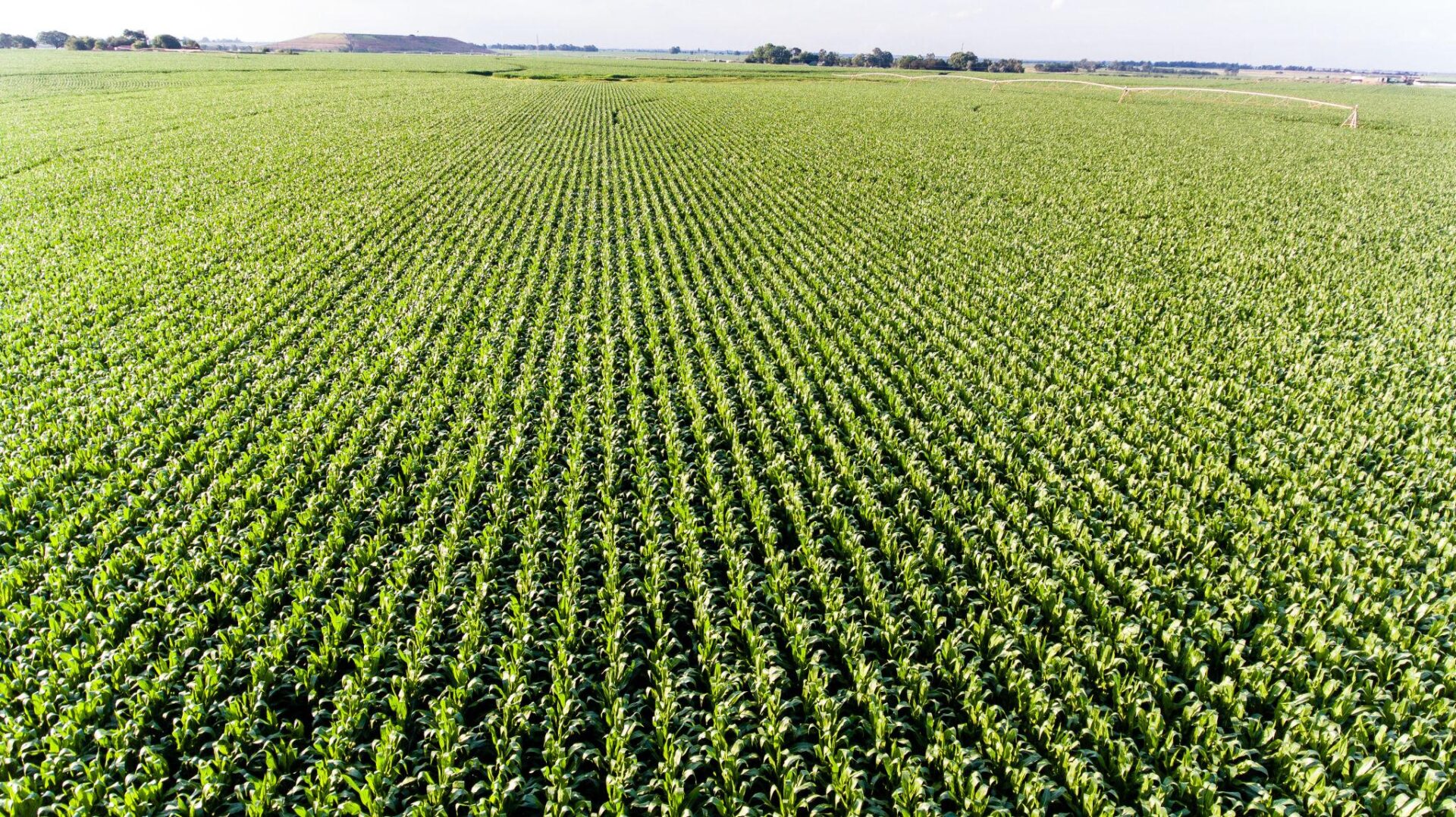
The long-term effectiveness of Bacillus thuringiensis (Bt) technology in maize, cotton and soya beans depends on responsible crop management and effective insect resistance management. South African farmers are being urged to improve compliance with refuge planting requirements to slow the development of insect resistance and preserve the benefits of Bt technology.
The call was highlighted during an information session on insect resistance management hosted by Bayer, where agricultural experts emphasised the importance of responsible technology use and collaboration across the agricultural value chain.
Professor Johnnie van den Berg, director of EntoAgri, stressed that protecting the effectiveness of genetically modified (GM) crops requires a coordinated approach from seed companies, researchers, agronomists and farmers.
For producers, the challenge is to maintain high yields, protect the environment and ensure long-term farm profitability while managing the growing threat of insect resistance.
Understanding Bt Technology
Most commercially available insect-resistant crop traits are derived from genes obtained from naturally occurring soil bacteria, particularly Bacillus thuringiensis (Bt).
These genes produce crystalline proteins known as Cry proteins, which target specific insect pests. When susceptible insect larvae consume plant material containing these proteins, the crystals become activated in the alkaline environment of the insect’s gut.
The activated proteins bind to specific receptors in the gut lining, disrupting its function and ultimately causing the insect to die.
This technology has become an important tool in modern crop production, helping farmers manage damaging insect populations while potentially reducing the need for conventional insecticide applications.
Growing Adoption, Growing Responsibility
The adoption of agricultural biotechnology has expanded significantly over the past decades. By 2018, approximately 191.7 million hectares of biotech crops were cultivated across 26 countries by around 17 million farmers.
Soybeans and maize remain among the world’s most widely adopted genetically modified crops, reflecting the important role biotechnology plays in modern agricultural production.
However, the continued effectiveness of insect-resistant traits cannot be taken for granted. Like other forms of pest control, Bt technology places selection pressure on insect populations. Over time, insects with naturally occurring resistance genes may survive exposure, reproduce and pass those genes to subsequent generations.
Van den Berg explained that resistance is a natural evolutionary process. When susceptible insects are eliminated, resistant individuals have a greater opportunity to reproduce, gradually increasing the proportion of resistant insects within a population.
He noted that, on average, it takes approximately 6.6 years for an insect population to develop resistance, although the timeframe can vary depending on the pest, crop and management practices.
Importantly, it is not necessarily the Bt crop or technology that stops working. Rather, the target insect population develops the ability to survive exposure to the Bt proteins.
Despite this challenge, Bt maize has delivered considerable benefits to South African agriculture. Van den Berg cited research indicating that Bt maize generated an average annual yield advantage of approximately 11% over the past 20 years, alongside aggregate income benefits estimated at R21 billion for South African maize farmers.
The technology has also contributed to reduced insecticide applications. Over a 15-year period, approximately 21 million hectares were reportedly not sprayed, helping reduce exposure of beneficial insects to broad-spectrum insecticides.
These benefits highlight why protecting the effectiveness of existing Bt traits is so important.
Why Refuge Planting Matters
One of the most effective strategies for slowing the development of insect resistance is the establishment of refuge areas, also known as refugia.
Refuge planting involves growing non-Bt crops near fields planted with insect-resistant Bt varieties. These refuge areas provide a habitat for susceptible insects to survive and reproduce.
When susceptible insects from refuge areas mate with resistant insects emerging from Bt fields, the likelihood of resistance being passed on to subsequent generations can be reduced.
The effectiveness of this approach depends heavily on correct planting practices and consistent compliance.
As part of an Integrated Pest Management (IPM) strategy, refuge planting should be combined with regular crop scouting, crop rotation, biological control, appropriate chemical control, habitat management and the responsible use of resistant crop varieties.
According to established refuge planting guidelines, South African maize producers should observe the following requirements:
- Match maturity: The non-Bt refuge hybrid should have the same maturity characteristics as the Bt hybrid.
- Plant at the same time: The refuge should be planted within seven days of planting the Bt crop.
- Apply consistent management: The refuge hybrid should be planted and managed in the same way as the Bt hybrid.
- Maintain the required distance: Refuge areas should be positioned within 400 metres of the Bt-planted field.
- Do not rely on neighbouring non-GM fields: A neighbouring farmer’s non-GM maize does not automatically qualify as a refuge.
- Meet minimum row requirements: Refuge areas should comprise at least six rows, except where this would exceed the 5% refuge requirement for smallholder farmers.
- Position refuges strategically: At least two borders of the Bt-planted field should be adjacent to the refuge area.
Following these requirements helps ensure that refuge areas fulfil their intended purpose of maintaining susceptible insect populations and slowing resistance development.
Protecting the Future of Agricultural Biotechnology
Francois Wolvaardt, DEKALB seed and trait business portfolio manager for Africa, reinforced the importance of refuge compliance, particularly as new crop protection traits continue to emerge.
He noted that while new technologies are in development, farmers must protect the effectiveness of the traits currently available.
With approximately 80% of South Africa’s maize hectares planted with products offering insect control or herbicide tolerance, the country’s agricultural sector has become highly reliant on biotechnology to support crop production.
Wolvaardt emphasised that refuge planting should be treated as an essential part of production planning rather than an optional management practice.
Consistent compliance across farming operations can help slow insect resistance, extend the useful life of Bt maize technology and preserve the economic and environmental benefits it delivers.
Ultimately, the responsibility for protecting agricultural biotechnology extends beyond seed developers and researchers. Farmers play a central role in ensuring that these technologies remain effective for future generations.
Planting a refuge today is an investment in the sustainability, productivity and long-term profitability of tomorrow’s farming operations.
