



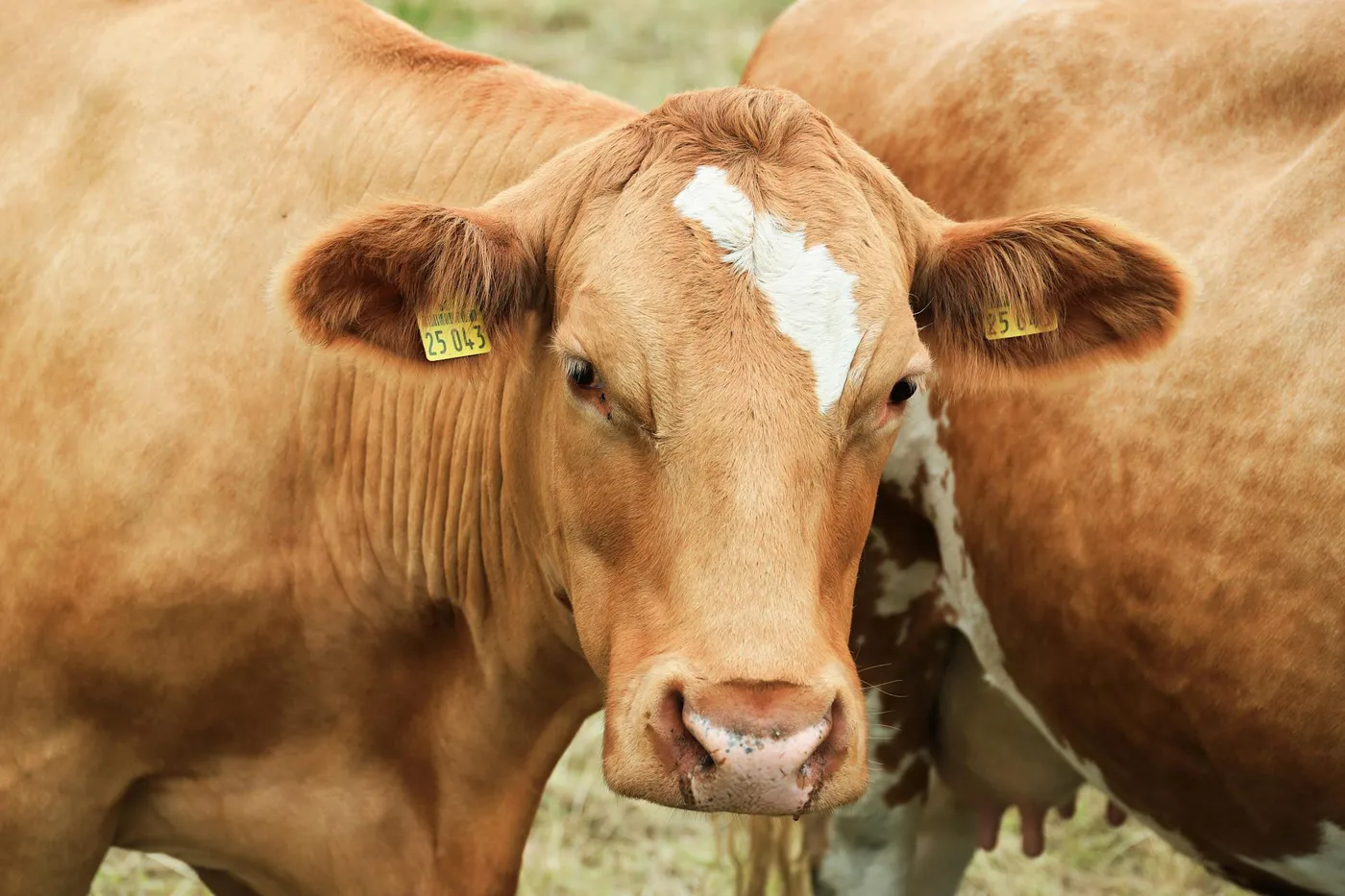
Dairy producers can improve heifer breeding management by looking beyond conventional heat detection and assessing estrus intensity, with research suggesting that stronger heat expression may provide valuable insights into reproductive performance.
Raising a replacement heifer can cost $2,400 or more before she reaches breeding age. Making the most of each breeding opportunity is therefore essential to controlling production costs, meeting herd replacement targets and ensuring animals enter the milking herd on schedule.
According to Dr. Odile Polanco, Technical Services and Global Programs Manager at ESTROTECT, evaluating how strongly a heifer expresses estrus can provide more information than simply determining whether she is in heat.
Breeding strategies should reflect individual herd objectives, including replacement requirements, genetic improvement priorities and the economic value of beef-on-dairy calves. Depending on these goals, producers may use sexed, conventional or beef semen, while selected heifers may also be used as embryo recipients.
Assessing Estrus Intensity Beyond Conventional Heat Detection
Not all heifers display the same signs of estrus. Some demonstrate stronger mounting activity, while others show weaker or less noticeable behavioural changes.
Monitoring the intensity of estrus can provide additional information to support breeding decisions and help producers better understand individual animal responses.
ESTROTECT breeding indicators are designed to help assess mounting activity. The devices feature a coloured surface coating that gradually rubs away through mounting activity, revealing a bright underlying colour. The amount of coating removed provides a visual indication of mounting activity and estrus intensity.
This approach allows producers to assess the degree of estrus expression rather than relying exclusively on a yes-or-no heat detection result.
Research Highlights the Relationship Between Estrus and Pregnancy Outcomes
Research suggests that estrus expression and intensity can provide useful information when evaluating reproductive performance.
One study involving lactating dairy cows used as embryo recipients found that animals displaying stronger estrus expression achieved higher pregnancy rates per embryo transfer than those with weaker or no observed estrus expression.
Another study conducted by Dr. Ky Pohler, Associate Professor and Animal Reproductive Biotechnology Administrator at Texas A&M University, identified an association between greater activation of breeding indicator patches and increased circulating pregnancy-associated glycoproteins (PAGs).
PAGs are biological markers associated with pregnancy establishment and embryo development in ruminants.
Although these findings highlight the potential value of estrus intensity monitoring, stronger heat expression does not guarantee conception or pregnancy. It should instead be considered an additional indicator when evaluating reproductive opportunities.
Integrating Estrus Intensity into Breeding Programmes
Estrus intensity can complement existing heat detection and synchronization programmes by providing another layer of information about a heifer’s reproductive response.
In timed artificial insemination (TAI) programmes, synchronization protocols establish when breeding should take place, while observed estrus expression can offer additional insight into the animal’s response.
This information may be particularly useful when deciding how to allocate valuable reproductive inputs, including sexed semen, embryos and other high-value genetics.
However, estrus intensity should always be evaluated alongside other important factors, including age, body development, health status, nutrition, genetic value and the overall breeding strategy.
Improving Reproductive and Economic Efficiency
With significant investment required to develop replacement heifers, improving breeding decisions can have important economic implications for dairy operations.
Incorporating estrus intensity monitoring into existing reproductive management programmes may help producers make more informed breeding choices, allocate valuable genetics more strategically and manage replacement heifers more efficiently.
Ultimately, combining effective heat detection, appropriate breeding strategies and sound herd management can support reproductive performance and help ensure heifers transition into the milking herd at the right time.
