



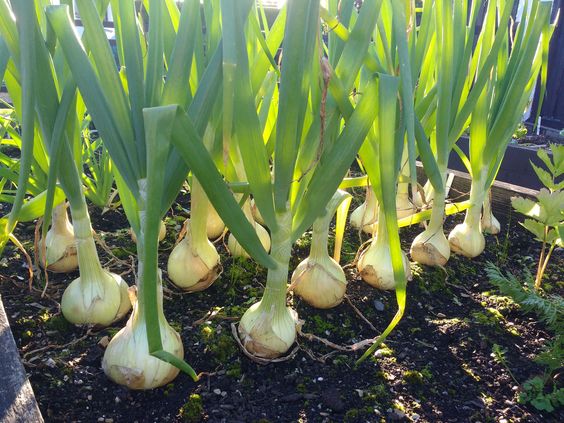
If you’re a small-scale farmer or aspiring market gardener wondering which vegetable to grow for reliable income, onions are hard to beat. They’re in constant demand, have a long shelf life, and are relatively resistant to pests and diseases — all of which make them a profitable and practical crop.
🌱 Why Choose Onions?
Onions are a kitchen staple in households across South Africa — and the world. With strong local demand and low input costs, they’re ideal for both subsistence and commercial farming. Unlike some high-risk vegetables, onions store well, reducing the pressure to sell immediately after harvest.
“When farmers ask me for crop suggestions, I always stress three things: market demand, shelf life, and pest resistance. Onions tick all three boxes,” says Shane Brody, who works with communal farmers on improving productivity.
🧅 Top Variety to Grow: Texas Grano
One of the most popular and productive varieties for South African growers is Texas Grano. Known for:
- High yields and long shelf life
- Sweet, mild flavour (great for fresh market sales)
- Good resistance to pests like thrips and common fungal infections
- Adaptability to varied climates
Plant Texas Grano between March–May or August–October, depending on your local climate.
🌾 Two Planting Methods: Choose What Works for You
1. Direct Seeding
- Sow seeds directly into moist (not waterlogged) soil
- Plant 2cm deep, 10–15cm apart, with 25cm between rows
- Cost-effective and simple, but weed control can be a challenge
2. Transplanting Seedlings
- Start seeds in nursery trays and transplant into the field later
- Offers better weed management and higher yields
- More labour-intensive, but often worth the effort
🌿 Fertilisation and Soil Needs
Onions are heavy feeders. For best results:
- Use a balanced fertiliser (e.g. 2:3:4 NPK ratio)
- Supplement with extra potassium (K) to promote bulb growth
- Apply fertiliser at planting and again 30 days later
Ideal soils are well-drained, fertile and have a pH of 6 to 7. Improve fertility by adding compost or well-rotted manure before planting.
💧 Watering and Pest Control
- Maintain consistent moisture, especially during bulb formation
- Avoid overwatering to prevent fungal infections
- Watch for pests such as thrips, aphids, and mites
Natural Pest Control Tip
Try a homemade chilli-garlic spray:
Crush a handful of chillies and garlic, soak overnight in 2 litres of clean water, strain, and spray on your crop.
⏳ Growth Timeline
Onions take about 120–150 days to mature, depending on variety and climate:
- Germination (1–2 weeks)
- Bulb formation (8–10 weeks)
- Maturation and drying (4–6 weeks)
🧺 Harvesting & Curing for Long-Term Storage
- Harvest when tops begin to yellow and fall over
- Loosen soil with a garden fork and gently lift bulbs
- Let onions air-dry in the field for a day or two
Then move them to a well-ventilated, warm (±25°C) area to cure for about two weeks. Drying improves storage by reducing moisture and toughening the outer layers.
Pro tip: Use chicken mesh or shade cloth racks to layer onions without touching. A fan can help in humid areas, and windows or vents allow excess moisture to escape.
Once cured, store your onions in a cool, dark, and dry space with good airflow — and they’ll keep for several months.
🌍 A Smart Choice for Food Security and Profit
Onions are not just easy to grow — they’re an essential ingredient in nearly every home, giving them strong market appeal. Whether you’re selling at a local market or feeding your family, onions are a reliable, low-risk crop that rewards good planning and care.
Shane Brody is a writer and agricultural advisor working to transfer practical skills to communal and smallholder farmers.
