



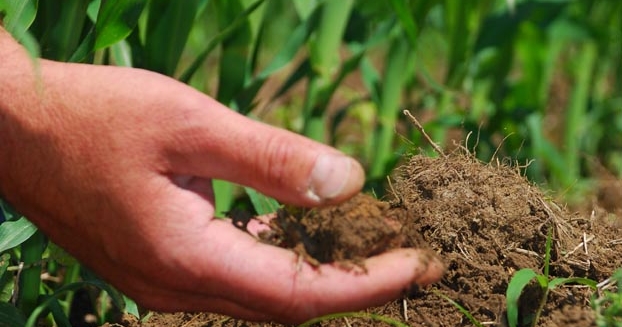
BREDASDORP, South Africa – Regenerative farming should not be seen as a passing trend but as part of a broader, context-specific management strategy, says soil scientist Bennie Diedericks of Resalt.
Speaking at Vinpro’s Practical Solutions for Farmers session during Nampo Cape on 15 September, Diedericks urged producers to place soil health at the centre of their operations if they want to build farms that are both resilient and profitable in the long run.
No One-Size-Fits-All Formula
Every farm, he explained, is a living, evolving system. Interventions that work in one season or on one farm may not be suitable elsewhere.
“Farmers need to understand their own context before making decisions. What works today might not work tomorrow,” he said.
He cautioned against adopting international farming practices without adapting them to South Africa’s unique soils and climate. For instance, while no-till farming has boosted climate resilience in grain production, it has also created unexpected problems such as snail infestations.
“Trial new ideas on small plots before rolling them out. There’s no recipe you can copy from another farm or another country,” he advised.
Getting Soil Fundamentals Right
According to Diedericks, soil health begins with structure and chemistry, before moving to biology.
“Adding microbes to poor soil won’t help. If you restore structure and chemistry first, beneficial organisms will return naturally,” he explained.
Practical Tips for Regenerative Systems
When planting cover crops between vineyard or orchard rows, he recommended keeping it simple:
- Always include grains and legumes in the mix.
- Ensure forage availability throughout the grazing period.
- Select livestock breeds that match the system and local conditions.
He noted that many farmers avoid sheep due to theft risks, opting instead for mixed cattle breeds such as Dexter, Ankole, and Sussex. However, he cautioned that Dexters, while easy to manage, may not be suitable near olive trees as they feed on olive leaves.
Balancing Livestock and Feed
Matching livestock numbers to feed supply is critical, particularly in summer when shortages are common, forcing animals out of vineyards and orchards.
Farmers can supplement feed by:
- Grazing cattle on fallow land,
- Planting forage on poor soils, and
- Using areas awaiting tree or vine replanting for forage crops.
Context Over Buzzwords
Diedericks closed with a reminder: farm management must be driven by context and practicality, not fashionable terms.
“Farming is about working with living systems that change. Long-term resilience and profitability depend on decisions rooted in understanding, not just trends.”
