


Bonn, Germany – Leading climate and agriculture experts from West Africa have called for livestock systems to be formally integrated into global and regional climate action agendas. Their message was clear: there can be no effective climate resilience strategy in the Sahel and West Africa without livestock at its core.
This call to action emerged from a high-level roundtable held on the sidelines of the recent UN Climate Change Conference (SB62) in Bonn. The event brought together more than 30 experts, including government representatives, negotiators, donors, civil society actors, and researchers.
The roundtable was hosted by the International Livestock Research Institute (ILRI), AU-IBAR, GIZ, and the World Wide Fund for Nature (WWF).
Why Livestock Matters in West Africa
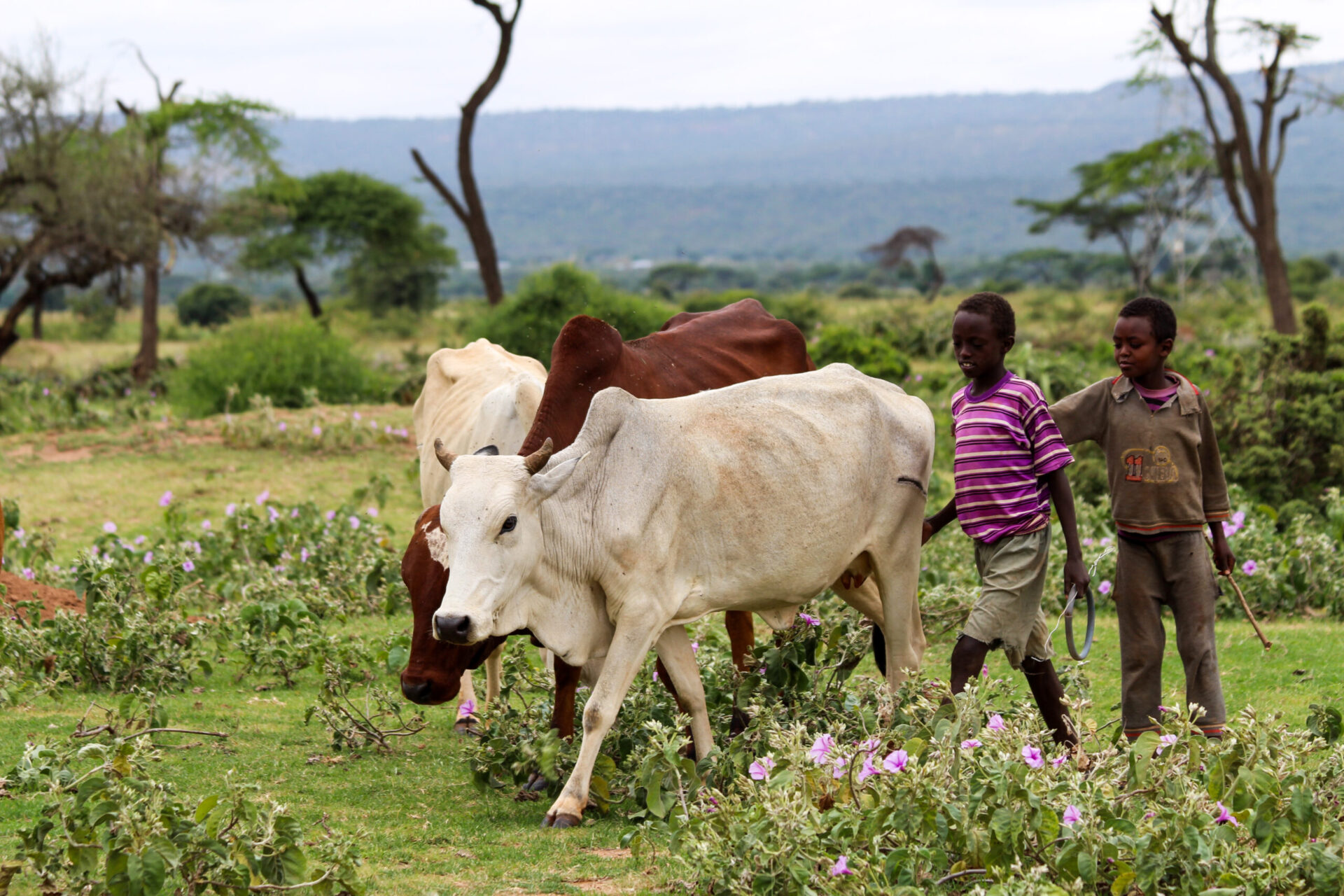
Across West Africa and the Sahel, over 20 million pastoralists and agro-pastoralists supply the bulk of local meat and milk, contributing over 40% of agricultural GDP in many countries. But this critical sector remains underrepresented in climate finance and policy.
“A climate action agenda for agriculture in West Africa must include livestock,” urged Lamine Diatta, Senegalese climate negotiator. “Well-managed pastoral systems, combined with agroforestry, support ecosystems and recharge water tables.”
A Region Under Threat
West Africa faces a mounting convergence of challenges: climate change, water scarcity, rapid population growth, political instability, and increased migration. These threats undermine food security, peacebuilding efforts, and poverty reduction.
At the SBSTA negotiations, agriculture was highlighted as vital to food systems transformation and land restoration. Yet, speakers at the roundtable warned that livestock remains neglected in climate finance, receiving just a fraction of the 4% of global climate finance currently allocated to agriculture and food systems.
“The cost of inaction outweighs the cost of investment,” said Jan Brix, Senior Policy Officer at Germany’s BMZ. “We need a joint development agenda to scale sustainable livestock systems across the region.”
A Roadmap for Livestock and Climate Action
The dialogue produced consensus around a joint regional agenda, outlining strategic priorities to unlock the sector’s potential for climate adaptation and mitigation:
1. Scaling Integrated Climate Solutions
Promote technologies combining animal health, nutrition, genetics, and digital tools to improve livestock productivity and resilience—while also reducing emissions.
2. Strengthening Pastoralist Livelihoods
Invest in pastoral value chains to stabilize fragile communities, support peace efforts, and build economic security.
3. Rangeland Restoration & Biodiversity
Leverage pastoral systems to regenerate degraded rangelands and protect biodiversity, aligning with global conservation goals.
4. Enhancing Transboundary Cooperation
Improve regional coordination on livestock corridors, mobility, and climate policies to reduce conflict and ensure shared prosperity.
5. Empowering Youth and Women
Create inclusive opportunities, particularly for youth, through digital innovation, value addition, and job creation in the livestock economy.
6. Strengthening Science-Policy Engagement
Bridge the gap between research and policy by generating localized, disaggregated data that supports monitoring, reporting, and verification (MRV) and informs national climate strategies.
7. Mobilizing Climate Finance
Secure targeted investments to transform livestock systems. Focus on a triple-win approach: lower emissions, greater resilience, and improved nutrition.
Next Steps: Coordinating Action, Unlocking Investment
To catalyze this agenda, ILRI has launched a Livestock and Climate Solutions Hub. The hub will coordinate research, policy dialogue, and investment partnerships, and soon unveil a dashboard of scalable climate-smart livestock innovations.
“There’s a disconnect between the questions investors ask and the evidence we provide,” said Cheikh Mbow of the Centre de Suivi Ecologique (CSE). “We need demand-driven research that speaks directly to policymakers and funders.”
Patrick Karani from AU-IBAR announced plans to develop a Common African Position to mainstream livestock in climate finance and governance. “These discussions have laid the groundwork for a joint roadmap,” he affirmed.
Halima Bawa Bwari, negotiator from Nigeria’s Council on Climate Change Secretariat, echoed this momentum: “Methane mitigation is key. We must empower youth as citizen scientists to collect vital data for climate action.”
Conclusion: Livestock as a Climate Solution
As West Africa and the Sahel grapple with unprecedented environmental and economic pressures, integrating livestock into climate action is not optional—it is essential.
This emerging joint agenda signals a major step toward restoring ecosystems, building peace, feeding communities, and positioning livestock as a powerful engine for climate resilience and sustainable development.
