


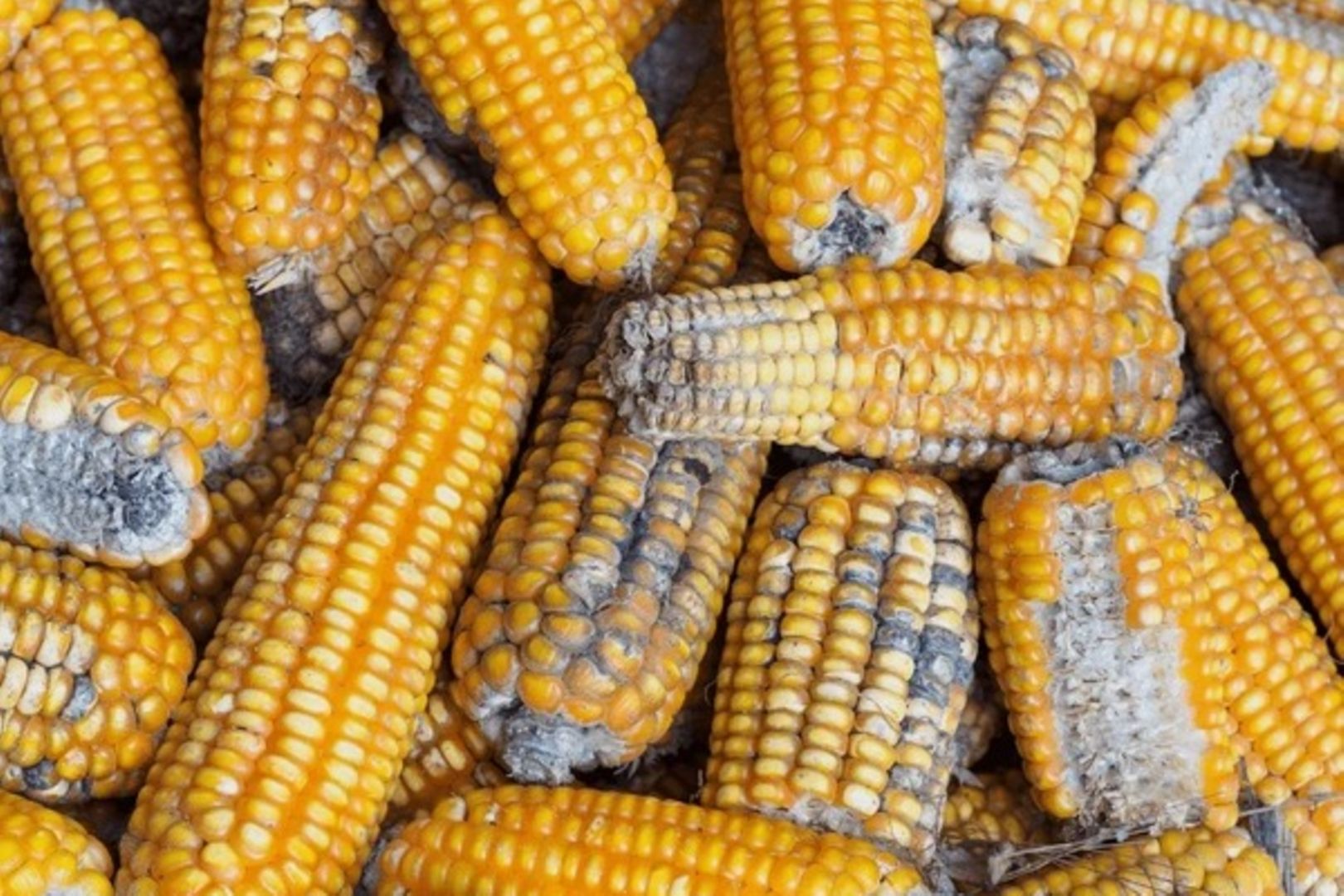
An innovative AI-powered early warning system is transforming how Africa addresses a silent but deadly threat to food security: aflatoxin contamination in maize. The Aflatoxin risk Early Warning System (A-EWS) uses machine learning and satellite data to predict and map contamination hotspots, offering a powerful tool for farmers, traders, and policymakers.
Developed by the International Institute of Tropical Agriculture (IITA) and its partners under the CGIAR Scaling for Impact (S4I) and Sustainable Farming Program (SFP), the system will be showcased at the 11th African Grain Trade Summit in Zanzibar — a premier platform for the region’s grain industry leaders.
Understanding the Invisible Threat
Aflatoxin, produced by the Aspergillus flavus fungus, contaminates staple crops including maize, groundnuts, and sorghum. Often invisible in soils and grains, it causes severe health risks such as stunted growth in children, immune suppression, and liver cancer. Economically, it costs Africa an estimated $670 million annually in lost grain trade.
“There is limited information on aflatoxin risk at the farm level, which is critical for targeting interventions effectively,” explained the researchers behind A-EWS.
Harnessing AI to Predict Risk
The system applies geospatial artificial intelligence (GeoAI) to forecast pre-harvest contamination risk zones, integrating:
- Historical Data: 907 maize samples collected between 2009 and 2022 from Kenya, Uganda, Malawi, and Tanzania.
- Environmental Variables: Satellite-derived temperature, precipitation, humidity, elevation, and soil data.
A-EWS classifies risk into low (<5 ppb), medium (5–20 ppb), and high (>20 ppb) categories. Among eight tested machine learning models, Gradient Boosting Model (GBM) delivered the highest accuracy, with F1-scores of 67% (low), 45% (medium), and 41% (high).
Key drivers of risk include March precipitation, minimum March temperatures, and elevation, with hotspots expanding during drier seasons and concentrating along coastal belts in wetter years. The findings were published in the World Mycotoxin Journal.
A Practical Tool for Policymakers and Industry
An interactive online dashboard allows stakeholders to visualize aflatoxin risk maps and make data-driven decisions, guiding grain buyers toward safer maize sources and tailoring interventions such as the Aflasafe® biocontrol product.
“Using these maps… we can finally make aflatoxin visible,” said Jane Kamau (IITA), highlighting the system’s potential to inform proactive management rather than reactive measures.
Dr. Francis Muthoni, lead scientist on the project, emphasized:
“Our AI-driven system transforms aflatoxin management by providing clear, actionable risk maps that empower farmers, traders, and policymakers to act early — protecting crops, health, and trade.”
Future Developments and Collaboration
The project team aims to expand testing data, refine predictive accuracy, and create a backend application for partners to contribute new standardized data. Dr. Nancy Kirimi (KALRO) is leading efforts to develop a uniform protocol for data collection.
Plans are also underway to extend the system to other vulnerable crops such as groundnuts and sorghum, highlighting the importance of collaboration in deploying innovations that strengthen Africa’s food systems.
The Aflatoxin risk Early Warning System exemplifies how advanced technology and partnership-driven innovation are making Africa’s invisible threats visible — protecting staple crops, securing trade, and safeguarding public health.
