



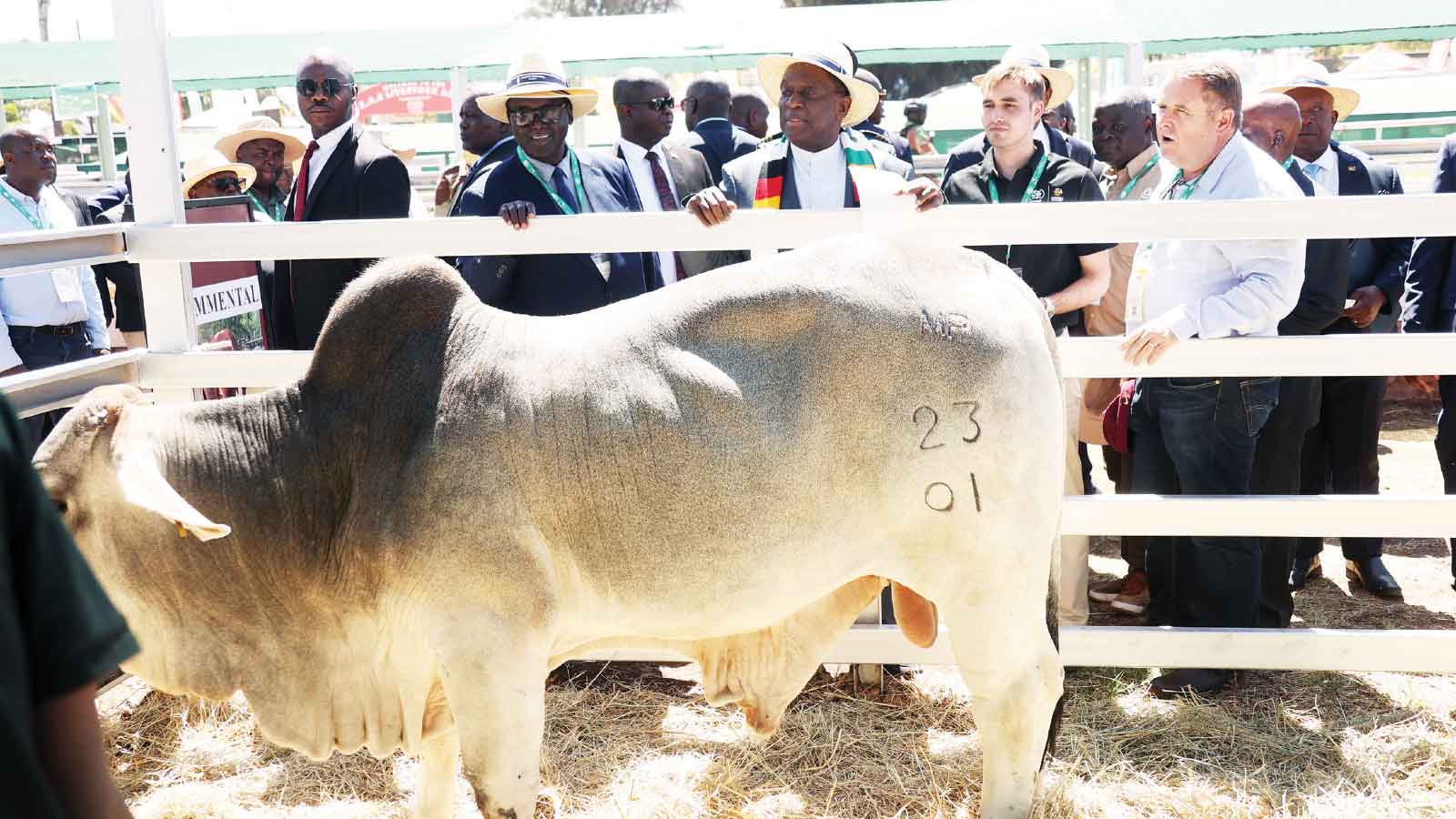
The Zimbabwe Agricultural Show (ZAS) recorded a significant increase in livestock entries in 2026, despite foot-and-mouth disease (FMD) remaining a major concern for cattle farmers.
Stricter biosecurity measures and support from the Directorate of Veterinary Services helped increase livestock participation, with 634 entries recorded in 2026 compared with 305 in 2025 — a 108% increase.
The 116th edition of ZAS was held from 24 to 29 August 2026 under the theme “Powering Growth: Where Agriculture, Technology, and Commerce Converge.”
The livestock entries included beef and dairy cattle, poultry, rabbits, sheep, goats and pigs.
FMD Remains a Challenge
FMD continued to affect participation among beef and dairy cattle farmers, with concerns over the disease discouraging some producers from exhibiting their animals.
ZAS livestock specialist Givemore Chiambiro said farmers were encouraged to work closely with the Directorate of Veterinary Services and comply with movement permits and FMD screening requirements.
“Farmers were advised by ZAS to cooperate with the Directorate of Veterinary Services with movement permits and FMD screening. On arrival, staff were on standby to verify movement permits and FMD test results. Any cattle farmer with positive FMD results would not be permitted to exhibit,” he said.
The veterinary authorities’ involvement helped facilitate cattle participation, with 97 cattle registered for the 2026 show.
From Livestock Exhibits to Business Opportunities
The growth in livestock participation is also expected to support increased business activity at the show, with more emerging commercial farmers connecting directly with breeders.
The Federation of Young Farmers Clubs Zimbabwe (FYFCZ), which received the Best Youth Empowerment Exhibition in Agriculture and Industry Value Chains award, used the event to promote a broader approach to youth participation in agriculture.
CEO Edwin Tafadzwa Kudangah said the organisation is moving the conversation from simply helping young people enter farming to helping them build profitable agricultural businesses.
FYFCZ currently has more than 10,000 registered farmers across 52 districts, covering sectors including horticulture, livestock and dairy, poultry, row crops, tobacco, mushrooms, mechanisation, irrigation, value addition and agro-processing. Approximately half of its membership is under 35.
The organisation also promotes lead and anchor farmers, where commercially successful farmers mentor others. Its programmes include contract farming, aggregation, joint ventures, mentorship and structured production programmes.
Young Farmers Focus on Commercial Growth
Kudangah highlighted the experiences of young farmers such as Tari Chidawanyika, who began working on his uncle’s farm at 18 and developed both technical and entrepreneurial skills.
By the age of 20, Chidawanyika was reportedly operating his own farming enterprise, producing approximately 100 hectares of maize and 100 hectares of wheat. He is now targeting close to 500 hectares of rented land for his own production.
Another example is Tich Mapfoche, who started with just 0.5 hectares and borrowed cattle for ploughing. Through mentorship and partnerships, he developed a hub-and-spoke model supporting more than 600 farmers.
Last season, Mapfoche facilitated planting across approximately 17,000 hectares, with a target of around 40,000 hectares of sorghum nationally this season through the network.
Government Targets Youth, Women and Value Addition
Officially opening the show, President Emmerson Mnangagwa said the future of Zimbabwean agriculture is anchored on women and young people.
He said the government is establishing youth agriculture entrepreneur hubs across the provinces and expanding the reach of the women in agriculture fund.
Mnangagwa also highlighted recent production gains, including three consecutive years of wheat self-sufficiency and a 375,000-tonne wheat harvest in 2025. Maize production recovered to 2.3 million tonnes, helping rebuild the Strategic Grain Reserve.
The government also plans to expand mechanisation to village level, introduce index-based crop insurance, and invest in cold-chain infrastructure and storage.
Zimbabwe is also targeting greater local processing through special agro-processing zones planned for all 10 provinces. The focus includes processing soya beans into cooking oil and stock feed, milk into dairy products, fruit into juice and concentrates, tobacco into cigarettes, and cattle into leather and packaged meat.
The developments at the 2026 Zimbabwe Agricultural Show highlight a sector increasingly focused not only on production, but also on commercialisation, youth participation, value addition and stronger agricultural business networks.
