



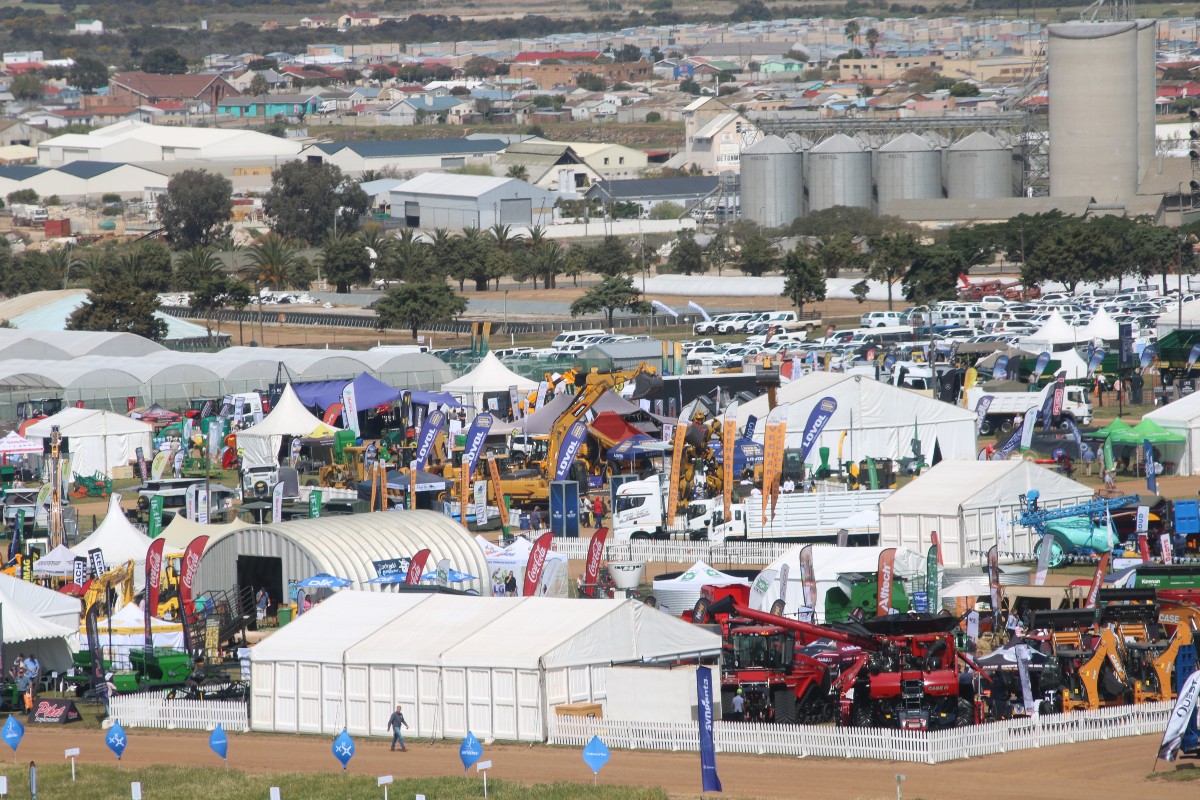
South Africa’s agricultural community gathered at Bredasdorp Park in the Western Cape from 9 to 12 September 2026 for NAMPO Cape, one of the country’s leading agricultural exhibitions.
Held under the theme “Together We Grow,” the event brought together farmers, agribusinesses, researchers, technology providers, financial institutions and agricultural organisations to explore the opportunities and challenges shaping the future of farming.
With more than 500 exhibitors and approximately 600 exhibition spaces, NAMPO Cape offered producers an opportunity to explore the latest machinery, crop technologies, farm inputs, financial services and practical innovations aimed at improving productivity and sustainability.
Technology and Innovation Take Centre Stage
Agricultural technology was a major focus of the exhibition, with farmers able to examine new machinery, precision-farming tools, crop genetics, irrigation solutions and other technologies designed to improve efficiency and production.
The growing role of technology in agriculture reflects the increasing pressure on producers to achieve more with fewer resources. From precision farming to improved crop technologies, innovation is becoming an increasingly important part of building more productive and resilient farming systems.
However, technology alone cannot address all the challenges facing agriculture. Its benefits depend on farmers having access to finance, skills, infrastructure and reliable support services.
A Platform for Collaboration
One of the central messages of NAMPO Cape 2026 was that agricultural progress depends biosecurity threats in isolation. Stronger collaboration between producers, on cooperation.
Farmers cannot address climate risks, rising production costs, infrastructure challenges, market uncertainty and biosecurity threats in isolation. Stronger collaboration between producers, researchers, agribusinesses, financiers, policymakers and communities is essential.
Through its exhibitions, industry sessions and innovation platforms, NAMPO Cape created opportunities for stakeholders to exchange knowledge, develop relationships and identify practical solutions for the seasons ahead.
The emphasis on collaboration is particularly important as producers navigate an increasingly complex operating environment. Decisions around technology, finance, production and market access are increasingly interconnected, making cooperation across the agricultural value chain more important than ever.
What NAMPO Cape Means for African Agriculture
Although NAMPO Cape is based in South Africa, many of the challenges discussed at the event extend across the African agricultural sector.
Farmers throughout the continent face issues such as climate variability, limited access to finance, high input costs, weak infrastructure, inadequate market access and the need for improved technology.
The event demonstrated the important role agricultural exhibitions can play in connecting producers with new knowledge, equipment and potential partnerships.
It also highlighted an important reality: innovation must be supported by the right conditions. New technologies and production methods need to be matched with affordable finance, reliable infrastructure, skills development and supportive agricultural policies.
For African agriculture, this combination of innovation and enabling conditions will be critical to improving productivity while strengthening resilience against future disruptions.
Animal Health and Biosecurity Remain Key Concerns
Animal health and biosecurity also featured prominently in discussions at NAMPO Cape.
Foot-and-mouth disease continues to create financial and logistical challenges for livestock producers, affecting animal movement, market access and export opportunities.
Although live cattle, sheep and goats were not displayed at the event, livestock organisations and industry representatives remained involved in discussions around also an important part of protecting markets, maintaining trade animal health, disease prevention and the future of the livestock sector.
The discussions reinforced the importance of stronger traceability systems, responsible animal movement and closer cooperation between farmers, government and industry bodies.
For livestock producers, effective biosecurity is not only a matter of animal health but also an important part of protecting markets, maintaining trade opportunities and reducing the economic impact of disease outbreaks.
Finance and Rising Production Costs
Agricultural finance was another important theme at the exhibition.
Farmers are operating in an environment of higher diesel, fertiliser, machinery and borrowing costs. At the same time, weaker commodity prices have placed additional pressure on farm profitability, making financial planning, efficiency provided opportunities for farmers to engage directly with financial institutions and and cost control increasingly important.
Discussions at NAMPO Cape encouraged producers to examine their production systems carefully, identify opportunities to improve efficiency and consider new approaches to managing financial risk.
The exhibition also provided opportunities for farmers to engage directly with financial institutions and service providers about investment, working capital and long-term business sustainability.
Access to appropriate finance will remain an important factor in determining how effectively producers can invest in new technology, maintain equipment, manage seasonal pressures and respond to changing market conditions.
Building a More Resilient Agricultural Sector
As the agricultural sector prepares for an uncertain production season, the broader message from NAMPO Cape 2026 is clear practical technology, affordable finance, reliable infrastructure, relevant: resilience will depend on more than innovation alone.
Farmers will need access to practical technology, affordable finance, reliable infrastructure, relevant skills and strong partnerships across the agricultural value chain.
NAMPO Cape 2026 demonstrated the value of bringing these different stakeholders together. By creating a platform for farmers, businesses, researchers, financiers and agricultural organisations to share ideas and explore solutions, the exhibition highlighted the importance of collective action in addressing the challenges ahead.
For South African and African agriculture, the path forward will increasingly depend on shared knowledge, practical innovation and stronger cooperation.
