



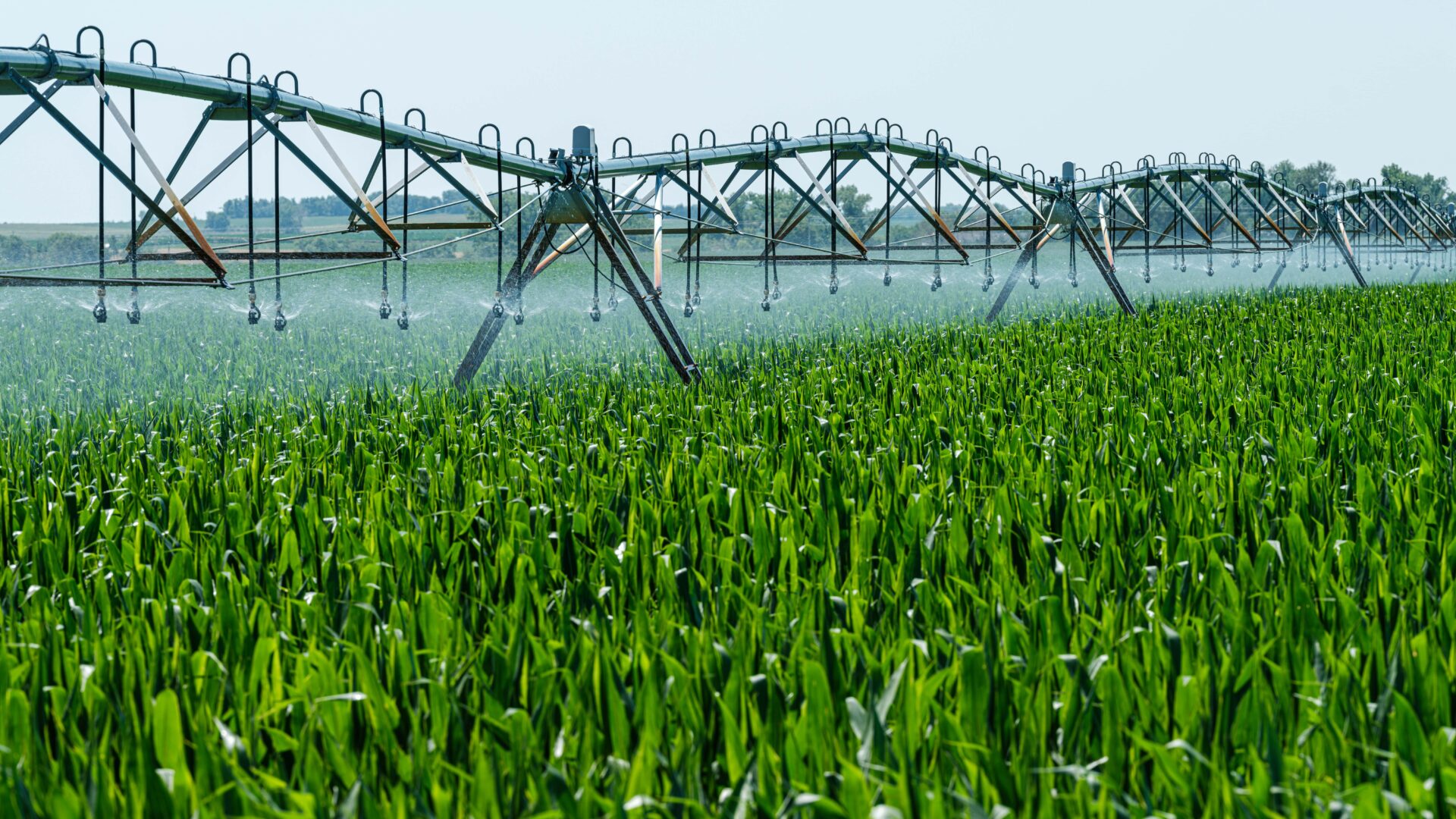
Irrigation technology is increasingly shifting from simply delivering water to helping farmers optimise water use, energy consumption and system performance as resource pressures and operating costs increase.
New findings from a survey conducted by Komet Irrigation at Agritechnica in Germany indicate that water efficiency, energy savings and system adaptability are becoming increasingly important factors when farmers evaluate irrigation technologies.
A similar trend is emerging in South Africa. Discussions at the South African Irrigation Institute (SABI) Congress in Gqeberha highlighted growing concerns around electricity costs, water availability and declining water quality.
Riana Lombard-Smit, general manager of SABI, said rising electricity costs and increasing competition for water were placing greater pressure on irrigation farmers to improve system efficiency and management.
Efficiency becomes a key irrigation requirement
Komet Irrigation’s survey included growers, original equipment manufacturers and irrigation professionals. Thirty-three percent of respondents identified increasing water regulation as their biggest business pressure, while 29% cited input price volatility.
A further 23% identified rising energy, fertiliser and water costs as their main concern, while 15% pointed to labour shortages.
More than half of respondents ranked water efficiency, energy savings, droplet uniformity and adaptability as equally important when evaluating pivot irrigation technology.
The findings indicate a broader change in how irrigation systems are being evaluated. Instead of focusing primarily on water delivery and productivity, farmers are increasingly looking at how irrigation equipment can improve resource efficiency and reduce operating costs.
Data is becoming part of irrigation management
According to Komet Irrigation CEO Andree Groos, modern irrigation is increasingly about helping farmers make better decisions about how and when water is applied.
This is increasing the importance of technology, engineering and performance data in irrigation management. Modern systems can be designed and operated around factors such as application efficiency, water distribution, energy consumption and changing field conditions.
Improving droplet uniformity is particularly important for pivot irrigation because uneven application can result in areas receiving too much or too little water. Better system design and correctly selected irrigation equipment can help improve distribution and reduce water losses.
Adaptability is also becoming more important as farmers deal with changing weather patterns, water restrictions and variable production conditions.
Energy efficiency influences system design
Electricity costs are another major consideration, particularly for irrigated agriculture where pumping can represent a significant operating expense.
Lombard-Smit said continuous increases in electricity prices were influencing irrigation design requirements and increasing the importance of getting system specifications right from the beginning.
This places greater emphasis on qualified irrigation designers, correctly sized pumping systems, efficient equipment and compliance with updated design standards.
Poor system design can increase energy consumption and operating costs over the lifetime of an irrigation installation. Conversely, correctly engineered systems can help farmers balance pumping requirements with water delivery and crop demand.
Irrigation moves towards smarter resource management
The combination of water scarcity, rising energy costs, regulatory requirements and climate variability is changing the role of irrigation technology.
Modern irrigation systems are increasingly expected to provide more than reliable water delivery. Farmers want equipment that can help them measure performance, improve water distribution, reduce energy consumption and adapt to changing conditions.
As irrigation technology continues to develop, the integration of engineering, automation, data and field-based performance information is likely to become increasingly important in helping farmers produce more efficiently while managing increasingly limited water and energy resources.
