
Irrigation Water Contamination
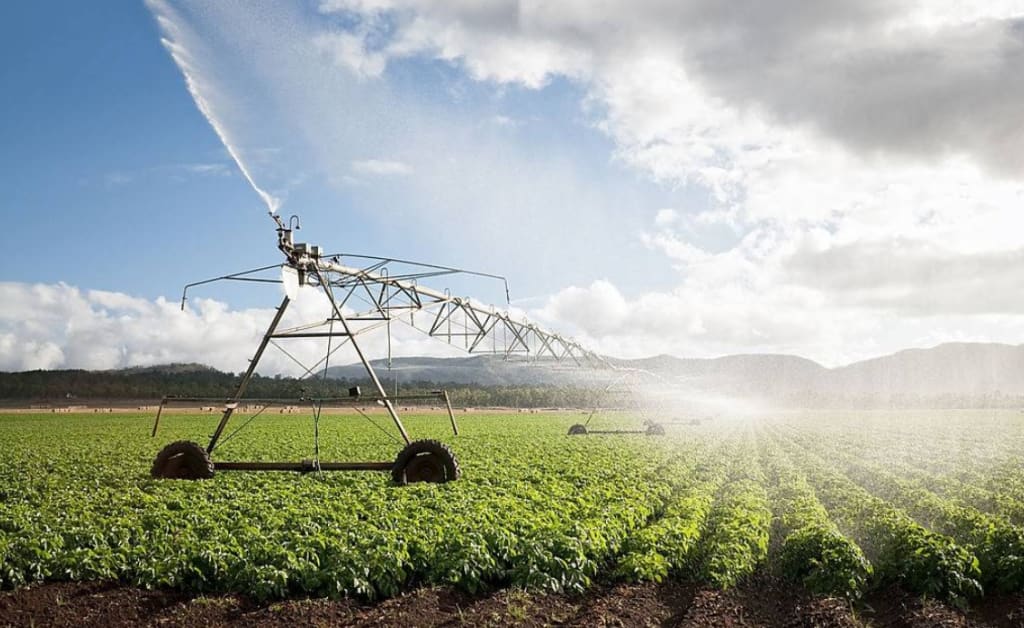
- Disease-causing bacteria: Irrigation water from polluted rivers and boreholes is contaminating fresh vegetables with pathogens like E. coli and Salmonella.
- Antibiotic resistance: Many of these pathogens are resistant to multiple antibiotics, making treatment difficult.
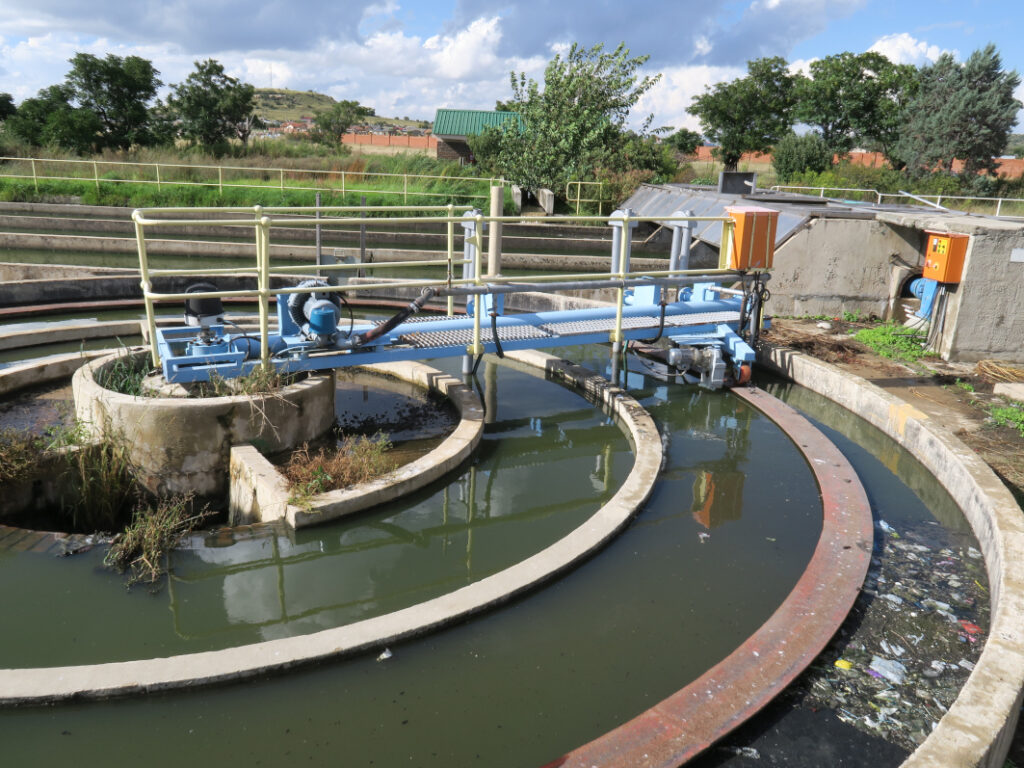
- Failing sewage treatment: 81% of South Africa’s sewage treatment works are not meeting minimum standards, releasing billions of liters of untreated or partially treated sewage into watercourses daily.
Impact on Food Safety and Human Health
- Food poisoning risk: Consuming contaminated produce can lead to severe stomach cramps, diarrhea, bloody stools, vomiting, fever, and kidney failure.
- Economic threat: Contamination could harm South Africa’s significant export market, particularly for citrus, which earned R33 billion in exports last year.
Call to Action
- National priority: Fixing irrigation water quality should be a national priority to ensure food safety and human health.
- Proper sanitation: Providing clean water and sanitation systems, along with environmental surveillance of antibiotic resistance, is crucial to mitigating this issue.
- Individual actions: Properly washing fruit and vegetables before consumption can help reduce the risk of foodborne illnesses.
To address this issue, South Africa needs to focus on improving sewage treatment infrastructure and promoting proper sanitation practices. This can be achieved through¹:
- Upgrading sewage treatment works: Ensuring that sewage treatment plants meet minimum standards to reduce pollution.
- Implementing effective water management: Developing and enforcing strict water quality guidelines for irrigation.
- Promoting public awareness: Educating farmers, consumers, and communities about the importance of proper sanitation and hygiene practices.
