



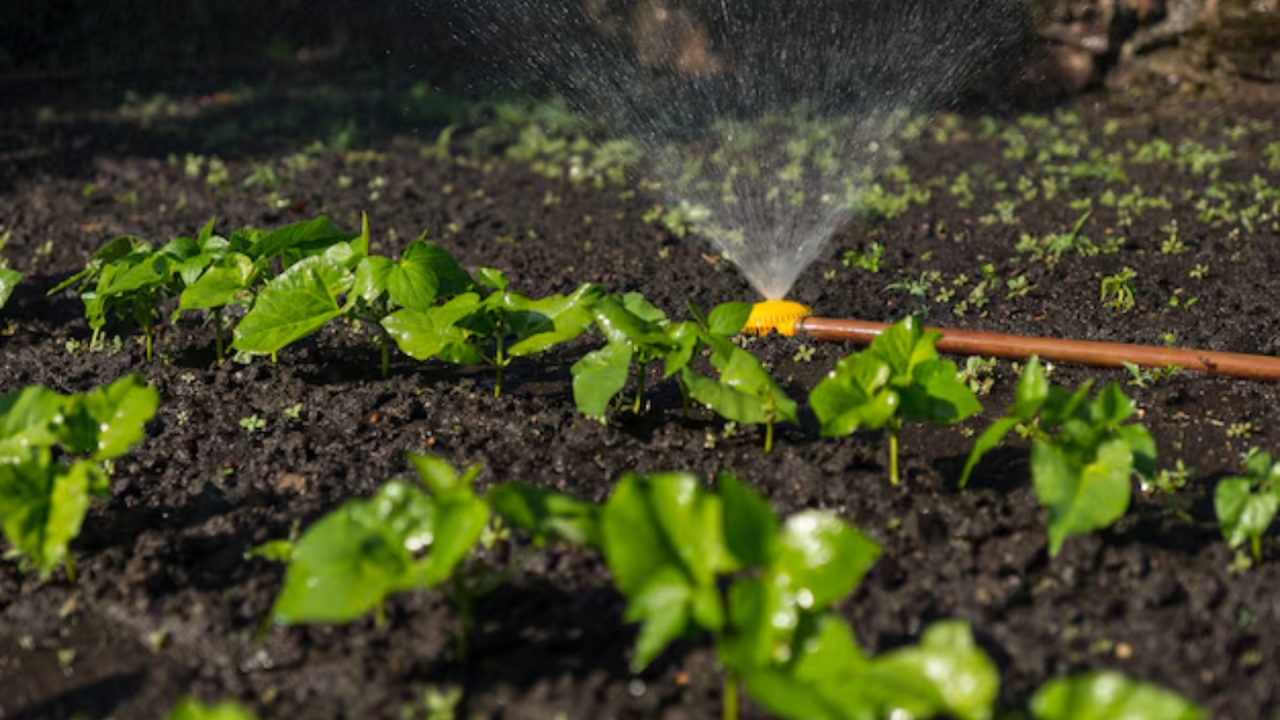
In South Africa, women play a vital role in smallholder agriculture, yet many are being pushed out of farming—not by policy, but by failing infrastructure. Broken irrigation systems, high costs, and weak governance are making it increasingly difficult for women farmers to sustain their livelihoods.
This reality is evident in the story of the Isibonelo Cooperative, a women-led farming group based in KwaZulu-Natal. Once a productive and reliable source of food and income, the cooperative has seen its operations come to a near standstill due to damaged irrigation infrastructure. Without a consistent water supply, farming has become impossible.
The cooperative is part of the Makhathini Irrigation Scheme, established in the 1970s. Although women were initially excluded from land allocation, a determined group secured a shared plot and successfully cultivated it for years. Their efforts supported household food security, generated income, and contributed to local markets. However, in 2018, broken pipes disrupted water access, and despite repeated appeals to authorities, the issue remains unresolved.
The collapse of irrigation has had severe consequences. Members of the cooperative now face loss of income, increased food insecurity, and growing debt. Families that once relied on homegrown produce are now forced to purchase food at rising prices. Economic independence has diminished, and social systems such as community support and informal savings groups have weakened.
This is not an isolated case. Across South Africa, many smallholder irrigation schemes face similar challenges. Poor maintenance, limited access to funding, and unclear governance structures have left farmers struggling to access water and keep their operations running. In some cases, costly modernization efforts have overlooked the needs of small-scale farmers, further reducing their ability to remain productive.
The impact extends beyond individual farmers. These irrigation schemes are crucial to local economies, especially in rural areas with limited employment opportunities. When they fail, entire communities are affected, from reduced food production to fewer income-generating activities.
Addressing the problem requires more than technical fixes. Restoring irrigation infrastructure is an urgent priority, but it must be accompanied by better coordination between government bodies, local authorities, and traditional leadership. Clear accountability for maintenance and water management is essential to prevent further decline.
Equally important is ensuring that farmers—especially women—have a stronger voice in decision-making processes. Support systems, training, and financing models must be tailored to the realities of smallholder farming, enabling both individuals and cooperatives to operate sustainably.
The experience of the Isibonelo Cooperative highlights a broader issue: without reliable infrastructure and effective governance, even the most resilient farmers cannot succeed. Reviving these systems is not just about restoring water access—it is about protecting livelihoods, strengthening rural economies, and ensuring long-term food security.
