


New research from Ethiopia is adding to the growing global evidence that genetically modified (GMO) feed is safe for animal production. Scientists have found that GMO-based feed poses no risk to livestock health or productivity, offering promising insights for the future of sustainable agriculture in the region.
The study, conducted by researchers from Arba Minch University and Borena University, examined the effects of GMO feed on livestock performance and health. Their findings revealed no significant differences between animals fed genetically modified diets and those given conventional feed. Growth rates, feed efficiency, and overall wellbeing remained consistent across both groups, indicating that GMO feed performs just as effectively as traditional alternatives.
Researchers observed that animals consuming GMO feed showed normal physiological responses, with no signs of adverse health effects. Key production indicators such as weight gain and feed conversion ratios remained stable, reinforcing the conclusion that GMO feed can support standard livestock production systems without compromising output or animal welfare.
Published in the Journal of Veterinary Medicine and Animal Health, the study further highlights that GMO feed is nutritionally equivalent to conventional feed. The research also confirmed that these feed components are digested in the same way as traditional feed, with no evidence of harmful substances accumulating in animal products such as meat or milk.
Importantly, the study found no signs of toxicity or health complications among livestock, addressing long-standing concerns often raised about the use of biotechnology in agriculture. The researchers emphasized that GMO feed has been widely evaluated worldwide, with consistent findings supporting its safety when approved products are used under proper regulations.
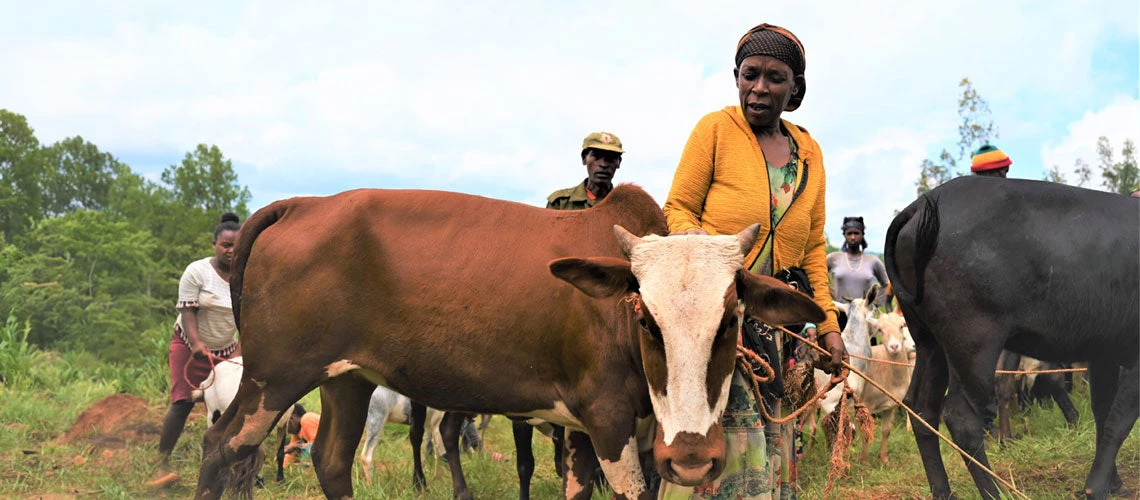
These findings could have significant implications for Ethiopia’s livestock sector, which is a vital part of the national economy but continues to face challenges such as feed shortages and low productivity. The adoption of GMO feed could help bridge this gap by improving feed availability and enhancing efficiency in animal production systems, particularly in areas affected by climate variability.
Advocates of agricultural biotechnology point out that GMO crops used in animal feed often deliver higher yields, improved resistance to pests, and enhanced nutritional value. These benefits can help stabilize feed supply chains and reduce pressure on farmers, especially in regions where changing weather patterns threaten crop production.
However, researchers stress that while the results are encouraging, continued monitoring and strong regulatory oversight remain essential. Ensuring the safe and responsible use of genetically modified products will be key to maintaining public confidence and maximizing their benefits.
Overall, the study contributes to an expanding body of scientific evidence supporting the safety of GMO feed. As debates around biotechnology continue across Africa, findings like these may play an important role in shaping policy decisions, improving food security, and advancing sustainable livestock production systems across the continent.
