
The global agriculture spraying drones market is poised for significant growth, projected to increase from $1.2 billion in 2024 to $6.8 billion by 2033, expanding at a robust CAGR of 21.7% during the forecast period, according to Research Intelo. This rapid expansion is driven by the rising demand for precision agriculture solutions that optimize resource use, enhance crop yields, reduce labor costs, and minimize environmental impact. Advanced technologies such as AI-based route planning, real-time data analytics, and IoT-enabled monitoring systems are revolutionizing traditional farming practices, accelerating adoption across both developed and emerging markets.
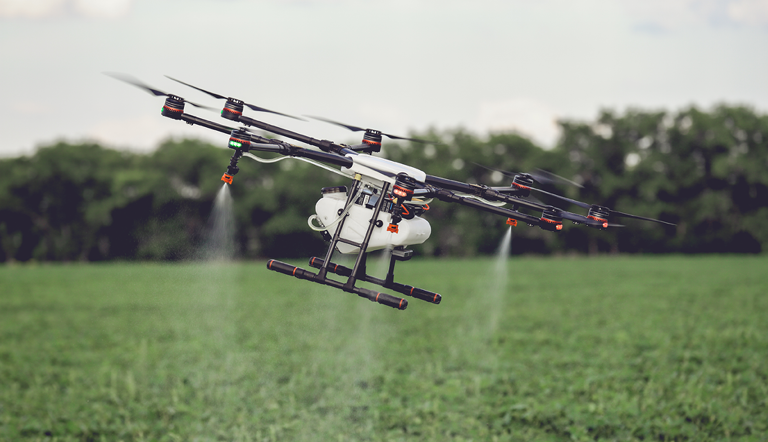
Spraying drones, a key innovation in precision farming, are unmanned aerial vehicles (UAVs) designed to efficiently deliver fertilizers, pesticides, and nutrients across fields. Traditional methods often struggle to balance environmental sustainability with cost efficiency, while drones offer a modern solution that improves operational efficiency and reduces human exposure to harmful chemicals.
Drivers of Growth
One of the most prominent advantages of agricultural spraying drones is labor and cost efficiency. Traditional spray application is labor-intensive, requiring long hours and exposure to toxic chemicals. Drones can complete treatments over large areas quickly, using fewer personnel and reducing fuel, maintenance, and operational costs. In regions where farm labor is scarce or expensive, these benefits translate directly into competitive advantages.
Precision application and environmental benefits further propel market growth. Drones can target specific crops or affected areas, minimizing chemical overuse, reducing costs, and limiting environmental runoff and soil degradation. This targeted approach not only improves crop health but also aligns with global sustainability goals and regulatory requirements concerning chemical usage.
Integration with data analytics and automation adds another layer of value. Modern spraying drones leverage GPS guidance, AI-powered farm management tools, and advanced software to analyze crop conditions, plan flight paths, and document spray patterns for optimization. This data-driven approach supports informed decisions on crop cycles, pest management, and irrigation strategies, embedding drones into the broader ecosystem of smart agriculture technologies.
Technological Innovations
Several innovations are shaping the agriculture spraying drone market:
- eVTOL Platforms: Electric vertical takeoff and landing designs improve flight stability, enable precise spraying at low altitudes, and allow operation in diverse terrains without runway infrastructure.
- Enhanced Payload and Flight Endurance: Newer drones carry heavier loads and fly longer, enabling coverage of larger areas per flight, increasing efficiency and scalability.
- Autonomous Mission Planning: Advanced software allows drones to plan routes based on field maps, obstacles, and crop types, enabling minimal human intervention and more flexible operations during narrow weather windows.
Challenges
Despite growth, the market faces regulatory, operational, and environmental challenges. Aviation regulations vary by country and often require pilot certification, flight permissions, or line-of-sight operations, slowing adoption. High technology costs, the need for operator training, and limited technical expertise in some regions also pose barriers. Additionally, risks remain related to chemical drift, payload contamination, and potential interference with wildlife or populated areas, emphasizing the importance of safe, responsible drone use.
Future Outlook
The agriculture spraying drone market is expected to continue its rapid expansion, with emerging innovations such as AI-driven targeting, swarm operations, and solar-powered or hybrid drones further enhancing efficiency and sustainability. As climate change and population growth increase pressure on global food systems, technologies that improve yields, reduce waste, and support environmentally responsible farming will become essential. In this context, spraying drones are not merely an optional tool—they are becoming a cornerstone of future-ready agriculture.
Competitive Landscape
Key players driving the market include DJI, XAG, Yamaha Motor Corporation, Parrot SA, PrecisionHawk, AeroVironment, AgEagle Aerial Systems, Delair, Hylio, DroneDeploy, Sentera, and Rantizo, among others. These companies are investing in innovation, advanced payload capabilities, AI integration, and global expansion to capitalize on the fast-growing market.
