



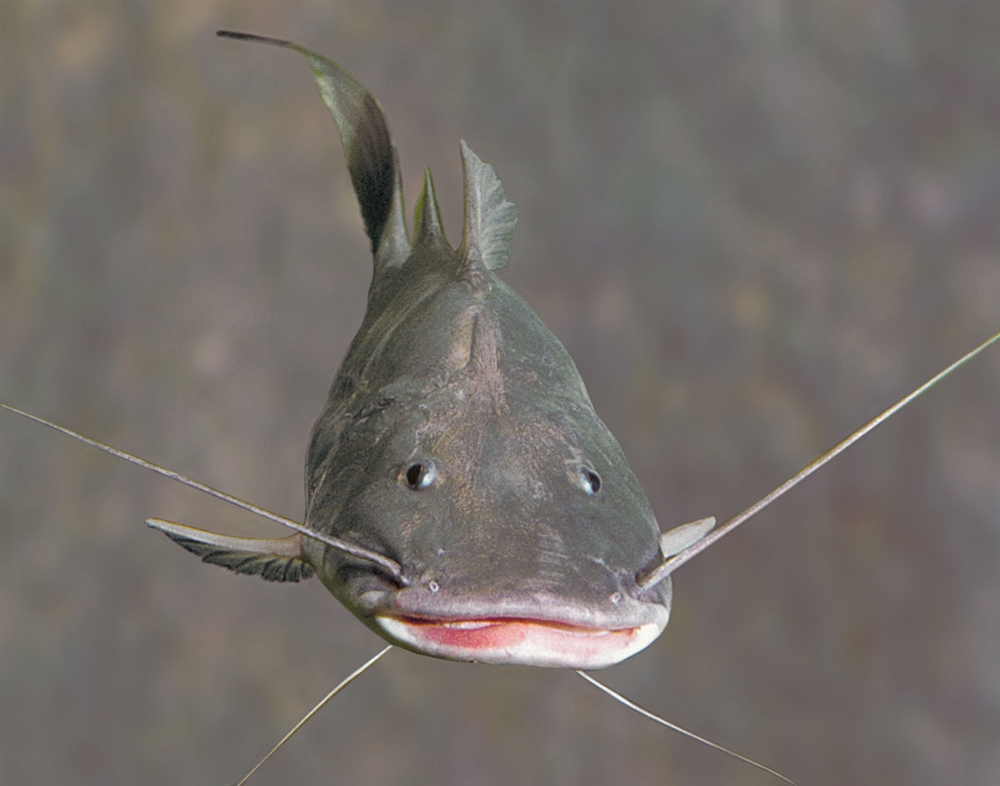
At the fifteenth Conference of the Parties (COP15) to the Convention on Migratory Species, countries reached a major agreement to protect Amazonian migratory catfish by adopting a new Regional Action Plan.
These remarkable fish species—such as dorado (Brachyplatystoma rousseauxii) and piramutaba (Brachyplatystoma vaillantii)—undertake extraordinary journeys of up to 11,000 kilometers between the Andes and the Atlantic Ocean. Along the way, they connect ecosystems across the Amazon Basin and serve as key indicators of river health.
The initiative, proposed by Brazil, received unanimous backing from other Amazonian nations that are party to the convention, including Bolivia, Ecuador, and Peru. Additional support came from the European Union and Venezuela, highlighting a strong regional commitment to conservation.
This milestone builds on progress made at COP14, where these catfish species were added to Appendix II of the convention, recognizing the need for coordinated international action. The newly adopted plan now provides a framework for concrete measures across the Amazon Basin.
Central to the plan is the understanding that river connectivity is essential—not only for biodiversity, but also for the communities that depend on these waterways. By maintaining free-flowing rivers, countries can help sustain fish populations and the millions of people who rely on them for food and income.
The action plan outlines three immediate priorities: protecting habitats and migration routes, strengthening scientific research alongside Indigenous and local knowledge, and promoting sustainable fisheries and value chains.
Experts and officials emphasized that collaboration is critical. Because these species migrate across multiple countries, no single nation can ensure their survival alone. The plan therefore encourages joint efforts among governments, scientists, Indigenous communities, civil society, and fishing groups.
It also highlights the growing recognition of traditional knowledge as a valuable resource. Insights from local and Indigenous communities—who closely observe fish behavior and river systems—are expected to play a key role in shaping effective conservation strategies.
Overall, the agreement marks an important shift from commitments to action. By aligning regional efforts and integrating diverse forms of knowledge, Amazonian countries are taking a significant step toward safeguarding their rivers, biodiversity, and the livelihoods that depend on them.
